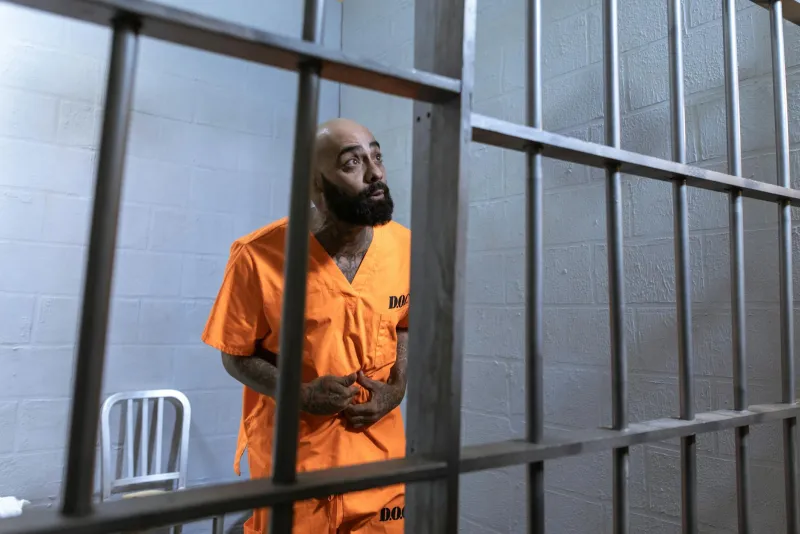
Every year, the United States spends approximately $80 billion to lock up 2 million people in prisons and jails — more than the entire federal budget for housing assistance, mental health services, and substance abuse treatment combined. This staggering misallocation of resources represents one of the most profound moral failures of American governance, a system that has chosen punishment over prevention, cages over care, and retribution over rehabilitation.
The Numbers Don't Lie
The arithmetic of American incarceration reveals a society that has fundamentally inverted its priorities. The average cost of housing one person in prison ranges from $35,000 to $70,000 annually, depending on the state. In contrast, the federal government spends roughly $25 billion on housing assistance for all low-income families — serving only one in four eligible households. Mental health services, which could prevent many of the crimes that lead to incarceration, receive a fraction of correctional budgets despite affecting millions more Americans.
This spending disparity becomes even more stark when examined through the lens of effectiveness. Studies consistently show that every dollar invested in early childhood education yields a $7 return in reduced crime and increased economic productivity. Housing assistance reduces recidivism by 13%. Mental health treatment cuts re-offense rates by up to 25%. Yet we continue to pour resources into a system with a 68% recidivism rate within three years of release.
The Architecture of Punishment
This isn't an accident of fiscal mismanagement — it's the predictable outcome of deliberate policy choices made over four decades. The carceral welfare state emerged from the ashes of the Great Society, as politicians discovered they could win elections by promising to be "tough on crime" rather than addressing its underlying causes.
The 1994 Crime Bill, supported by both parties, allocated $9.7 billion for prison construction while cutting funding for job training and education programs. The Private Prison Information Act of 2005 revealed that corrections corporations spent over $45 million lobbying for harsher sentencing laws between 1999 and 2009. These companies literally profit from human misery, creating a powerful constituency for policies that guarantee a steady supply of bodies to fill their facilities.
Who Bears the Cost
The human toll of this system falls disproportionately on Black and Latino communities, who are incarcerated at rates far exceeding their representation in the general population. Black Americans are imprisoned at roughly five times the rate of whites, despite similar rates of drug use and many other crimes. This racial disparity isn't coincidental — it's the direct result of policies designed to criminalize poverty and target communities of color.
The families left behind suffer economic devastation. Incarceration reduces lifetime earnings by 40% and increases the likelihood that children will experience poverty, homelessness, and educational failure. These communities then face the cruel irony of reduced public investment in the very services that could break cycles of disadvantage, as their tax base shrinks and political power diminishes.
The False Choice of Safety
Defenders of mass incarceration argue that high prison spending is necessary for public safety, but this claim crumbles under scrutiny. States that have reduced their prison populations — like California, New York, and Pennsylvania — have simultaneously seen crime rates fall to historic lows. Countries with far lower incarceration rates, like Germany and Norway, enjoy significantly lower crime rates than the United States.
The evidence is overwhelming: safety comes not from locking up more people, but from addressing the conditions that create crime in the first place. Stable housing, accessible mental health care, quality education, and economic opportunity are far more effective crime prevention tools than prison cells.
A Different Path Forward
The alternative to our carceral welfare state isn't chaos — it's justice. States could redirect even a fraction of their correctional spending toward prevention and see dramatic results. Investing $10 billion annually in housing assistance could house every homeless American. Expanding mental health services by $15 billion could provide treatment to millions currently cycling through jails. Early childhood education programs costing $20 billion could prevent more crime than our entire prison system.
Several states are already demonstrating this approach. Texas closed eight prisons between 2011 and 2017 while investing in drug courts and mental health programs, saving taxpayers $3 billion without compromising public safety. Oregon redirected corrections funding to housing and treatment programs, reducing both crime and incarceration rates.
The Political Economy of Change
Transforming the carceral welfare state requires confronting the powerful interests that profit from mass incarceration. Private prison companies, corrections unions, and the constellation of contractors who supply everything from food to phone services have billions of dollars at stake in maintaining the status quo.
But the political winds are shifting. Progressive prosecutors in major cities are reducing incarceration while maintaining public safety. Voters across the political spectrum support criminal justice reform when presented with evidence of its effectiveness and cost savings. Even conservative states like Georgia and South Carolina have embraced alternatives to incarceration.
Beyond the Moral Imperative
The case for dismantling the carceral welfare state isn't just moral — it's economic. Mass incarceration costs taxpayers more than $80 billion annually while producing negative returns on investment. It removes millions of people from the labor force, destroys families, and perpetuates the very poverty that drives crime.
Meanwhile, the programs we underfund — housing assistance, mental health services, education — generate positive returns that compound over generations. A society that invests in human potential rather than human warehousing doesn't just become more just — it becomes more prosperous.
The choice before us is clear: we can continue pouring resources into a system that fails everyone it touches, or we can build a society that prevents crime by addressing its root causes. The carceral welfare state isn't just morally bankrupt — it's financially unsustainable, and the time has come to choose a different path.