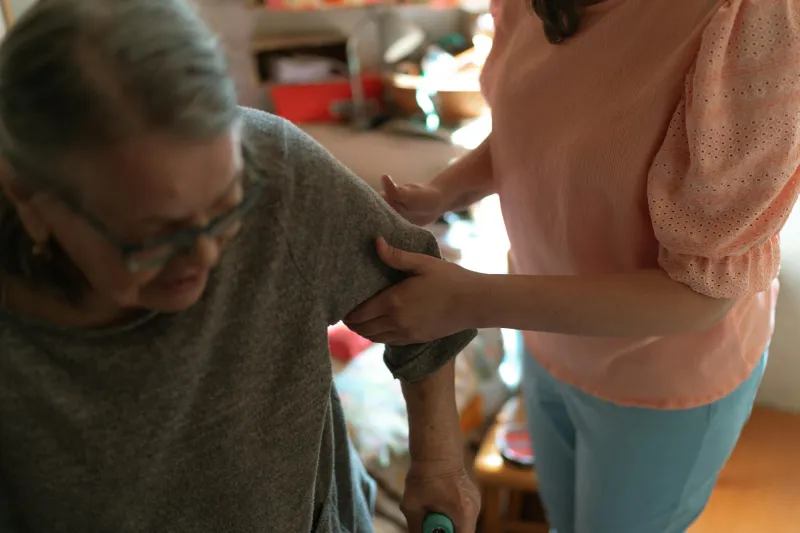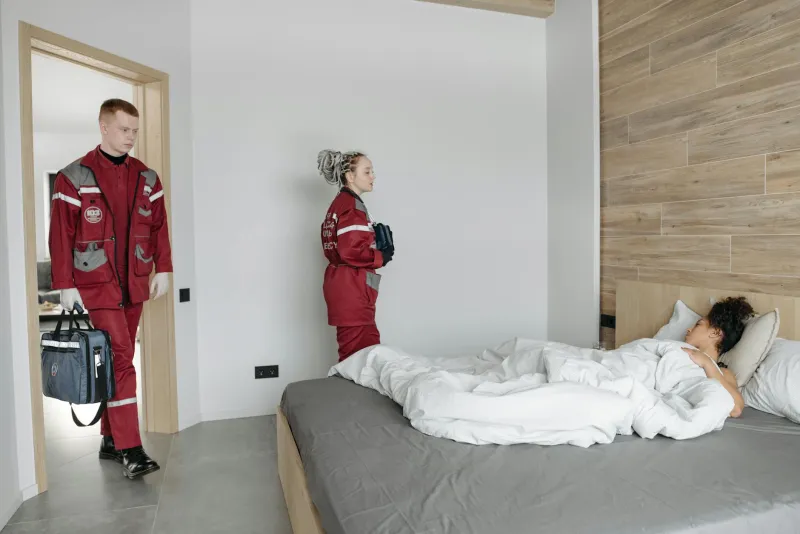
The Sick Day Lottery
Every morning, millions of Americans wake up feeling unwell and face a calculation that workers in virtually every other wealthy nation never have to make: Can I afford to stay home? In the United States, 32 million workers—nearly one in four—have no access to paid sick leave. For these workers, getting sick isn't just a health crisis; it's an economic catastrophe that can lead to lost wages, job termination, and financial ruin.
This isn't an accident of policy neglect. It's the deliberate result of a decades-long campaign by business lobbies to treat worker illness as a personal responsibility rather than a collective vulnerability. The consequences extend far beyond individual families, creating public health disasters that harm entire communities while protecting the profit margins of industries built on worker desperation.
The Global Outlier
Among the 38 developed nations in the Organization for Economic Cooperation and Development, the United States stands virtually alone in its refusal to guarantee paid sick leave. Germany provides six weeks of full pay for illness. France offers unlimited sick days at 50% of wages. Even countries with far smaller economies than the United States—like Estonia and Slovenia—guarantee paid time off for workers who fall ill.
 Photo: Organization for Economic Cooperation and Development, via www.studyiq.com
This isn't because American workers are healthier or American businesses can't afford basic protections. It's because American policymakers have chosen to prioritize corporate flexibility over worker security, treating paid sick leave as a luxury rather than a basic labor standard.
The human cost of this choice became undeniable during the COVID-19 pandemic, when workers without sick leave became vectors of disease transmission. A study by the University of Pittsburgh found that states with paid sick leave mandates experienced significantly slower rates of COVID-19 spread during the early months of the pandemic, as workers were able to stay home when symptomatic without facing immediate economic hardship.
 Photo: University of Pittsburgh, via wallpapers.com
The Restaurant Roulette
Nowhere is the paid sick leave crisis more acute than in the food service industry, where 73% of workers lack access to paid time off for illness. Restaurant workers—who handle food consumed by millions of Americans daily—are routinely forced to work while sick, creating a public health nightmare that the industry has successfully normalized.
The Restaurant Opportunities Centers United found that 63% of restaurant workers reported cooking, preparing, or serving food while ill. These aren't isolated incidents of bad judgment; they're the predictable result of an employment system that penalizes workers for getting sick. When missing a single shift can mean falling behind on rent or losing a job entirely, workers make the rational choice to work through illness.
The industry's lobbying arm, the National Restaurant Association, has spent millions fighting paid sick leave mandates at every level of government. Internal documents obtained through public records requests show the association coordinating with other business groups to frame paid sick leave as a "job killer" that would force small businesses to close. This messaging has proven effective in state legislatures, where paid sick leave bills have died repeatedly despite overwhelming public support.
The Retail Reality
Retail workers face similar pressures, with 40% lacking access to paid sick leave. The combination of low wages, unpredictable scheduling, and minimal benefits creates conditions where workers cannot afford to miss work for any reason, including serious illness.
Major retailers have fought paid sick leave requirements by arguing they would increase labor costs and reduce scheduling flexibility. But countries with mandatory sick leave have thriving retail sectors, suggesting that these concerns are pretexts for maintaining a low-wage business model that externalizes the costs of worker illness onto workers themselves and the broader public.
The irony is stark: retail workers who interact with hundreds of customers daily are among the least likely to have paid time off when they're contagious. This creates a direct transmission pathway from sick workers to the general public, turning every shopping trip into a potential exposure event.
The Care Work Crisis
The paid sick leave gap is particularly devastating for care workers—home health aides, childcare providers, and nursing home staff—who are disproportionately women of color earning low wages. These workers face an impossible choice when they fall ill: stay home and lose income they can't afford to lose, or go to work and potentially transmit illness to the vulnerable populations they serve.
During the COVID-19 pandemic, this dynamic turned nursing homes into death traps. Staff without paid sick leave continued working while symptomatic, contributing to outbreaks that killed hundreds of thousands of elderly Americans. A study by the National Bureau of Economic Research found that nursing homes in states without paid sick leave mandates experienced significantly higher COVID-19 mortality rates.
The human cost of these policy choices is measured not just in individual suffering, but in the systematic devaluation of care work that our society depends on. When we deny paid sick leave to the workers who care for our children and elderly parents, we send a clear message about whose health and economic security matters.
The Legislative Graveyard
Despite overwhelming public support—polls consistently show 80% or higher approval for paid sick leave mandates—federal legislation has repeatedly stalled in Congress. The Healthy Families Act, which would guarantee seven paid sick days annually for all workers, has been introduced in every Congress since 2004 without receiving a floor vote.
The opposition comes primarily from business lobbies that have successfully framed paid sick leave as government overreach rather than basic worker protection. The U.S. Chamber of Commerce has spent millions lobbying against paid sick leave requirements, arguing they would burden small businesses and reduce employment opportunities.
This framing ignores the substantial costs that the current system imposes on workers, families, and communities. When workers can't afford to stay home while sick, the costs of their illness are simply transferred to emergency rooms, public health systems, and other workers who must cover additional shifts or face increased exposure to illness.
The State-by-State Patchwork
In the absence of federal action, 15 states and dozens of cities have enacted paid sick leave requirements. These laws provide natural experiments in the effects of guaranteed sick leave, and the results consistently debunk industry predictions of economic catastrophe.
In Connecticut, the first state to mandate paid sick leave, business employment grew faster after implementation than in neighboring states without similar requirements. San Francisco, which has had paid sick leave since 2007, has seen continued economic growth and business formation despite dire predictions from opponents.
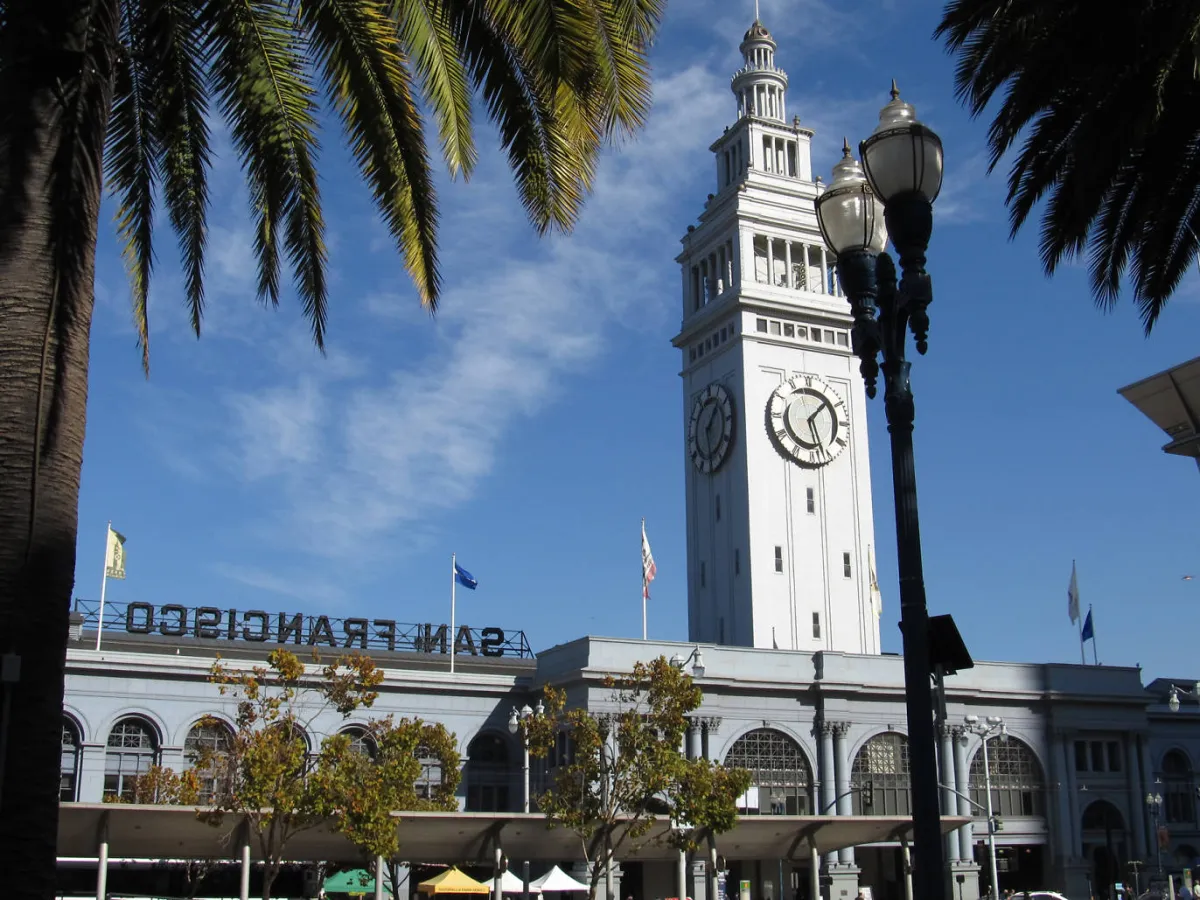 Photo: San Francisco, via media.timeout.com
These successes have created momentum for additional state and local laws, but they've also created a patchwork system that leaves millions of workers unprotected while imposing compliance burdens on businesses operating across multiple jurisdictions.
The Public Health Imperative
The COVID-19 pandemic exposed the folly of treating paid sick leave as a private employment matter rather than a public health necessity. When workers can't afford to stay home while contagious, individual illness becomes community spread. The absence of paid sick leave doesn't just harm individual workers; it undermines collective efforts to control disease transmission.
This dynamic isn't limited to pandemics. Seasonal flu, norovirus, and other common illnesses spread more rapidly in workplaces and communities where workers lack paid time off. The Centers for Disease Control and Prevention estimates that presenteeism—working while sick—costs the U.S. economy $160 billion annually in reduced productivity and increased healthcare costs.
Beyond Individual Rights
Framing paid sick leave solely as a worker benefit misses its broader social function. In a interconnected economy where service workers interact with hundreds of people daily, sick leave policies are fundamentally about collective welfare and public health infrastructure.
Countries with universal sick leave don't just protect individual workers; they create more resilient communities that can respond effectively to health crises. When workers can afford to stay home while sick, disease transmission slows, healthcare systems face less strain, and economic disruption from illness is minimized.
The Path Forward
America's paid sick leave crisis won't be solved by voluntary corporate initiatives or market forces. It requires federal legislation that establishes paid sick leave as a universal labor standard, just as we've done with minimum wage and overtime protections.
The Healthy Families Act provides a reasonable framework: seven paid sick days annually for all workers, with the ability to use time for personal illness or to care for family members. This isn't radical policy; it's catching up with standards that the rest of the developed world established decades ago.
Opposition will continue from business lobbies that profit from worker desperation, but the moral case is clear: in a wealthy society, no one should have to choose between getting well and paying rent. The economic case is equally compelling: paid sick leave reduces healthcare costs, increases productivity, and strengthens the public health infrastructure we all depend on.
Every day we delay action, more workers face the impossible choice between health and economic survival, and every day our collective vulnerability to the next pandemic grows deeper.