The Sacred Cow Myth
When Defense Secretary Lloyd Austin announced sweeping reviews of extremism within the military ranks in 2021, the backlash was swift and predictable. Conservative lawmakers decried the "woke" infiltration of America's sacred military institution. Fox News pundits warned of a politically motivated purge. Republican senators threatened budget cuts. The narrative was clear: politics had no place in the military.
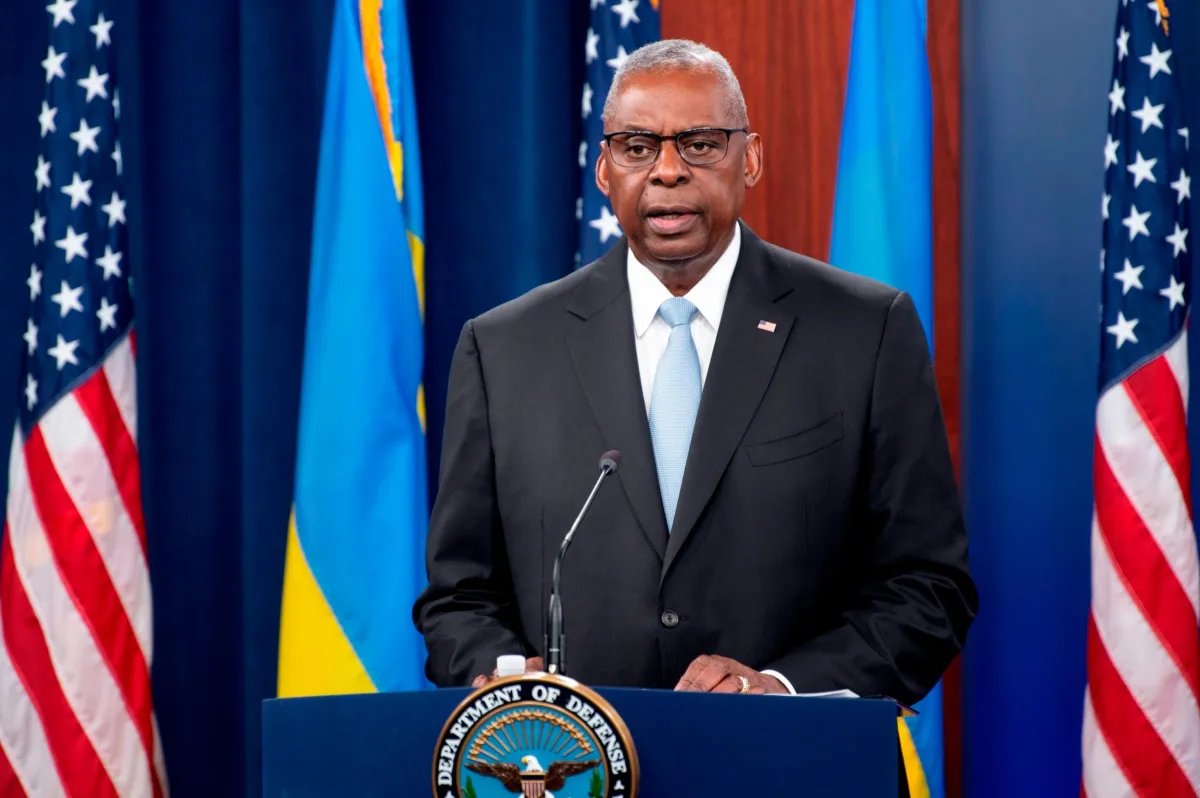 Photo: Lloyd Austin, via i.abcnewsfe.com
But this outrage reveals one of America's most enduring political myths — that the military exists as an apolitical institution, somehow floating above the messy realities of democratic governance. The truth is far more complex and troubling: the U.S. military has always been deeply political, and for decades, conservative ideologues have been systematically reshaping it from within while hiding behind the rhetoric of military neutrality.
The Revolving Door Arsenal
The Pentagon's political nature becomes clear when you follow the money and personnel flows. A 2021 study by the Project On Government Oversight found that 380 former high-ranking Pentagon officials went to work for defense contractors between 2008 and 2018, while 672 former defense industry executives moved into senior Pentagon roles during the same period.
This isn't bureaucratic coincidence — it's institutional capture. When former Joint Chiefs Chair Mark Milley can seamlessly transition from overseeing trillion-dollar weapons programs to advising the companies that build them, the line between public service and private profit disappears entirely. The military-industrial complex doesn't just influence policy; it writes it.
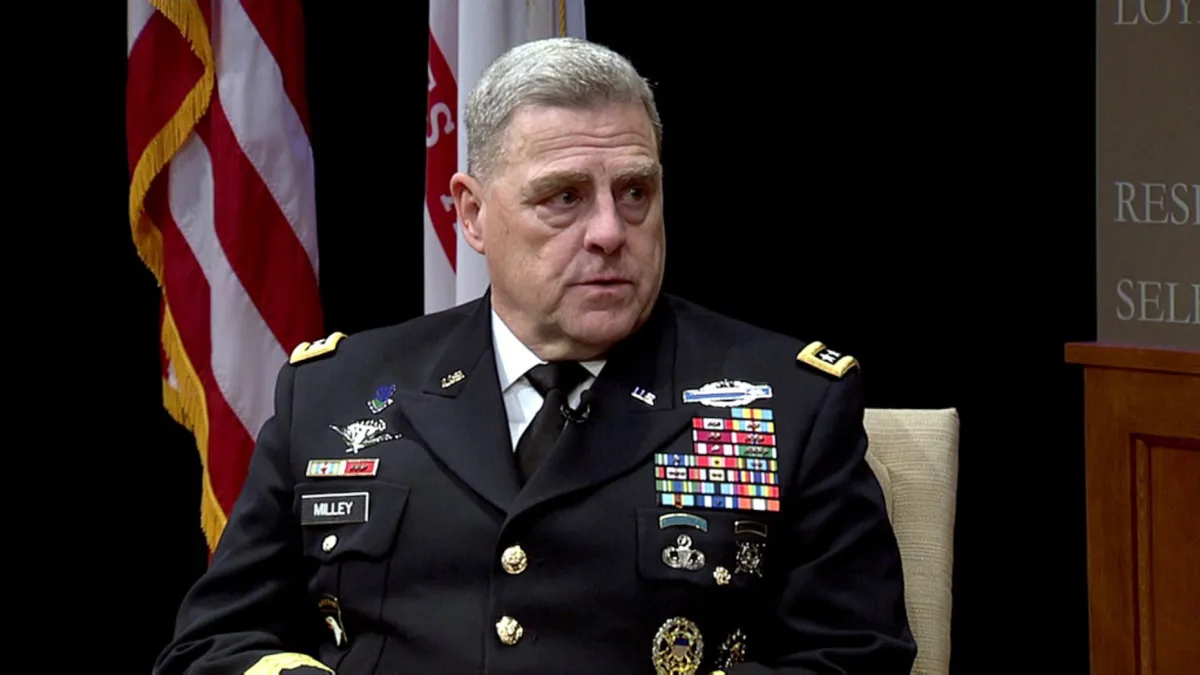 Photo: Mark Milley, via a57.foxnews.com
These financial entanglements create a self-perpetuating cycle where military leaders have every incentive to maintain the status quo of endless conflict and massive defense budgets. Questioning the wisdom of permanent war becomes career suicide when your post-retirement prospects depend on staying in good standing with Lockheed Martin and Raytheon.
Recruitment as Social Engineering
The military's political role extends far beyond the boardroom. Consider the geography of military recruitment: the Pentagon deliberately targets low-income communities and communities of color with promises of economic mobility that civilian institutions have failed to provide. This isn't coincidence — it's policy.
Data from the National Priorities Project shows that counties with median household incomes below $42,000 provide 44% of military recruits, despite representing only 28% of the population. Meanwhile, the wealthiest counties contribute just 17% of recruits while representing 25% of Americans. The military has become America's largest jobs program, filling the gaps left by decades of disinvestment in education, healthcare, and economic opportunity.
This recruitment strategy serves multiple political functions: it channels working-class frustration away from systemic critique and toward military service, while ensuring that the costs of American foreign policy fall disproportionately on those with the least political power to question it.
The Conservative Institutional Capture
The current battle over diversity, equity, and inclusion (DEI) programs in the military represents the latest phase of a decades-long conservative project to reshape military culture. Right-wing organizations like the Heritage Foundation and American Enterprise Institute have spent years placing ideologically aligned personnel in key Pentagon positions, from policy shops to military academies.
This influence campaign has been remarkably successful. Despite serving a nation that is increasingly diverse, military leadership remains overwhelmingly white and male. Women represent just 17% of active-duty personnel and hold only 19% of officer positions. Black Americans, who comprise 13% of the population, make up 21% of enlisted personnel but only 9% of officers.
These disparities aren't accidents — they're the product of institutional cultures that have resisted meaningful integration while paying lip service to equality. When diversity programs threaten to disrupt these patterns, conservative networks mobilize to frame inclusion efforts as political indoctrination.
The Democracy Problem
The fiction of military apoliticism serves a deeper antidemocratic purpose: it places one of government's most powerful institutions beyond civilian scrutiny. When the military is treated as sacred, questioning its priorities, tactics, or resource allocation becomes tantamount to betraying the troops.
This dynamic has profound consequences for democratic governance. Congress routinely approves defense budgets with minimal debate, often increasing Pentagon requests beyond what military leaders actually seek. Meanwhile, veterans' healthcare, housing assistance, and mental health services — the actual support structures that honor military service — remain chronically underfunded.
The result is a system where military contractors and Pentagon bureaucrats wield enormous political influence while the veterans they claim to serve struggle with homelessness, suicide, and inadequate care. It's a perfect example of how the rhetoric of military reverence masks the reality of military exploitation.
Fighting Back
Recognizing the military's political nature doesn't diminish respect for service members — it enhances democratic accountability. When we acknowledge that the Pentagon makes fundamentally political choices about resource allocation, strategic priorities, and institutional culture, we can begin to subject those choices to proper civilian oversight.
This means demanding transparency about defense contractor relationships, challenging recruitment practices that prey on economic desperation, and supporting genuine diversity initiatives that reflect American values rather than conservative ideology. It means treating military service members as citizens deserving of robust support systems, not political props for endless war.
Most importantly, it means rejecting the false choice between military reverence and military accountability. A truly professional military serves democratic institutions, not partisan agendas — but that requires citizens willing to engage with military policy as the political issue it has always been.
The Pentagon's culture war isn't a recent development — it's the inevitable result of decades of conservative institutional capture operating under the cover of military mythology. Until Americans are willing to pierce that mythology, the military will remain a political institution serving political ends while claiming democratic immunity.