The Constitutional Promise, Broken
In courtrooms across America, public defenders are making an impossible choice: spend five minutes on each case, or watch their clients sit in jail for months waiting for meaningful representation. This isn't hyperbole—it's the daily reality of a system that has turned the Sixth Amendment's guarantee of counsel into a constitutional charade.
The numbers are staggering. In Louisiana, public defenders handle an average of 150 felony cases per year—nearly triple the recommended maximum. In Missouri, some attorneys juggle over 1,000 cases annually. In New Orleans, the public defender's office was so overwhelmed it stopped taking certain felony cases altogether, leaving defendants to represent themselves against the full weight of the state.
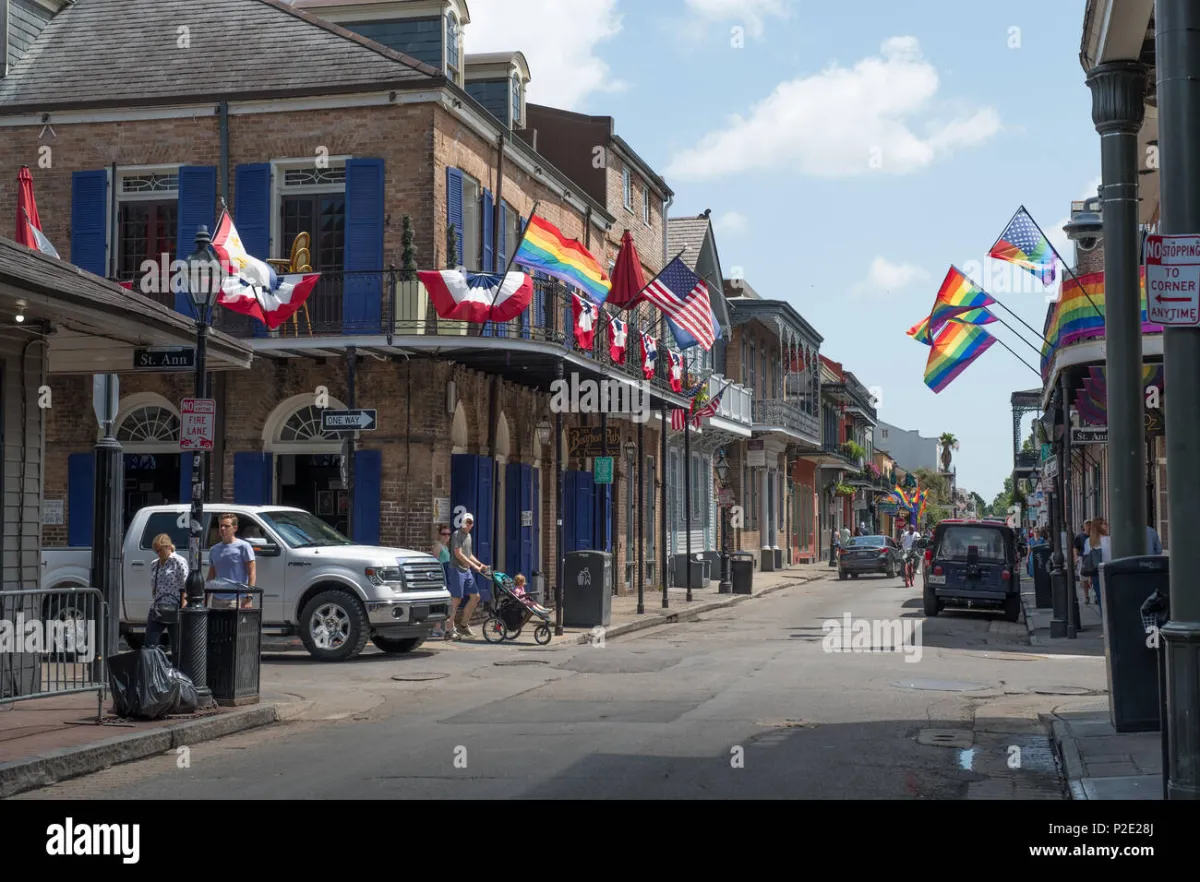 Photo: New Orleans, via c8.alamy.com
This crisis didn't happen overnight. It's the predictable result of decades of deliberate underfunding, a systematic starvation of public defense that has created two distinct justice systems: one for those who can afford representation, and another for everyone else.
The Workload That Justice Can't Bear
The American Bar Association recommends that attorneys handle no more than 75 felony cases or 400 misdemeanor cases per year to provide adequate representation. Yet public defenders routinely exceed these limits by 300-400 percent. The result is what criminal justice experts call "meet 'em and plead 'em" representation—lawyers who meet clients minutes before court hearings and push them toward plea deals regardless of guilt or the strength of the evidence.
Consider the math: if a public defender handles 150 felony cases per year and works 50 weeks, that's three new cases every week—on top of the dozens already in various stages of litigation. Even if they worked 60 hours a week and dedicated every minute to client representation (no administrative tasks, no court waiting, no travel time), each case would receive just 12 hours of attention from arrest to resolution.
Twelve hours to investigate the facts, interview witnesses, research the law, negotiate with prosecutors, and prepare for trial. Twelve hours to defend someone's freedom, reputation, and future. It's not just inadequate—it's a mockery of the adversarial system that forms the foundation of American criminal justice.
The Racial Arithmetic of Injustice
This crisis doesn't affect all communities equally. Because public defenders serve primarily low-income defendants—and because poverty in America is deeply racialized—the collapse of public defense becomes another mechanism for perpetuating racial disparities in the justice system.
Black defendants are more likely to be assigned public defenders, more likely to be pressured into plea deals, and more likely to receive harsher sentences than white defendants facing similar charges. When public defenders lack the time and resources to challenge prosecutorial overreach or investigate police misconduct, these disparities compound.
The data is clear: defendants with court-appointed counsel are significantly more likely to be convicted and receive longer sentences than those who can afford private attorneys. This isn't because public defenders are less skilled—many are exceptional lawyers working under impossible conditions. It's because the system has been designed to fail them, and through them, their clients.
The Conservative Dodge
Conservatives often frame this as a spending problem, arguing that throwing money at public defense won't solve deeper cultural issues around crime and personal responsibility. They point to high-profile cases where well-funded public defender offices still lose cases as evidence that resources aren't the real issue.
This argument fundamentally misunderstands both the problem and the constitutional principle at stake. The Sixth Amendment doesn't guarantee victory—it guarantees meaningful representation. When lawyers can't investigate cases, interview witnesses, or even meet with clients before court hearings, the adversarial system breaks down entirely.
Moreover, this penny-wise approach is pound-foolish. Adequate public defense actually saves money by reducing wrongful convictions (which cost millions in eventual settlements), decreasing recidivism through better case outcomes, and streamlining court processes. Louisiana found that investing in public defense reduced both conviction rates and overall criminal justice costs.
The Human Cost of Systemic Neglect
Behind every statistic is a human story. Maria Rodriguez, a single mother in Phoenix, spent three months in jail awaiting trial for a shoplifting charge because her public defender was handling 400 cases and couldn't meet with her to prepare a defense. She lost her job, her apartment, and nearly lost custody of her children—all for a crime she ultimately wasn't convicted of.
James Wilson, a Black teenager in Alabama, accepted a plea deal for a burglary he didn't commit because his court-appointed lawyer told him it was better than risking a trial with a jury that might not believe him. He served two years in prison and carries a felony record that has blocked him from employment, housing, and educational opportunities.
These aren't outliers—they're the predictable consequences of a system that treats constitutional rights as budget line items to be cut when times get tough.
Beyond Reform: Rebuilding Justice
Fixing public defense requires more than incremental funding increases. It demands a fundamental reimagining of how we prioritize justice in America. States like Massachusetts and Colorado have begun implementing holistic defender services that include social workers, investigators, and mitigation specialists—recognizing that effective representation requires more than a lawyer with a law degree.
The federal government could play a crucial role by establishing minimum standards for public defense and providing funding to meet them, just as it does for highways and education. The Right to Counsel Act, introduced in Congress, would create exactly this framework—but it has languished without serious consideration.
The Democracy Test
The quality of public defense is ultimately a test of democratic values. A society that promises equal justice under law but systematically under-resources the lawyers defending its most vulnerable citizens reveals its true priorities. When we allow wealth to determine the quality of legal representation, we abandon the principle that justice should be blind.
The public defender crisis isn't a criminal justice issue—it's a civil rights emergency that demands the same urgency we bring to voting rights and equal protection. Because in a system where your freedom depends on your ability to pay for it, we don't have equal justice at all.