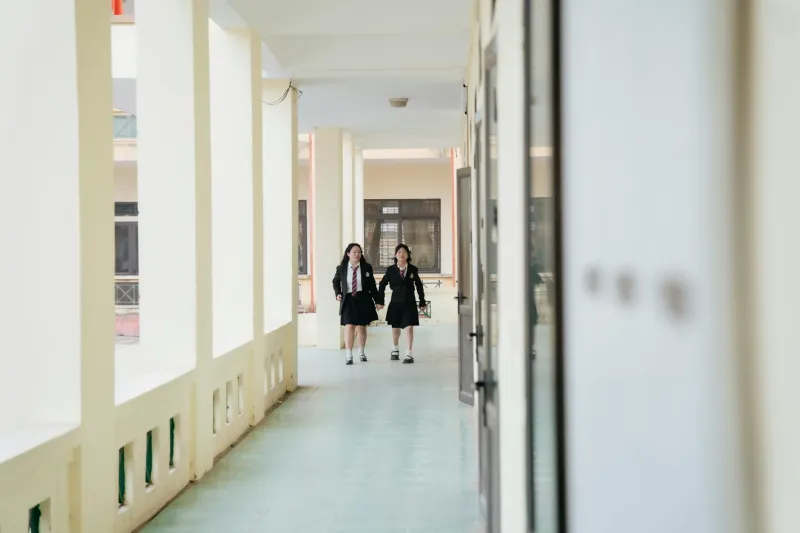
Every school day in America, thousands of children walk through metal detectors, past armed police officers, into institutions that increasingly resemble correctional facilities more than centers of learning. This isn't an accident of educational evolution — it's the predictable result of decades of deliberate policy choices that have transformed schools into entry points for mass incarceration.
The Architecture of Educational Apartheid
The numbers tell a devastating story. According to the Department of Education's Civil Rights Data Collection, Black students are 3.8 times more likely to receive out-of-school suspensions than their white peers, despite no evidence they misbehave at higher rates. Latino students face suspension rates 1.7 times higher than white students. These disparities begin as early as preschool, where Black children represent 18% of enrollment but 48% of suspensions.
This isn't about individual bias — though that certainly exists. This is about systematic policy architecture designed to exclude rather than include. Zero-tolerance discipline policies, first introduced in the 1990s as part of the broader "tough on crime" hysteria, removed discretion from educators and mandated harsh punishments for minor infractions. Simultaneously, federal funding incentivized the placement of police officers in schools, particularly those serving communities of color.
The result? Schools with higher concentrations of Black and Latino students are significantly more likely to have police officers on campus and to use exclusionary discipline practices. Students in these schools face arrest for behaviors that would result in a trip to the principal's office in whiter, wealthier districts.
Follow the Money, Find the Motive
The school-to-prison pipeline isn't just morally reprehensible — it's economically catastrophic. The Center for American Progress estimates that each student who drops out costs society $272,000 in lost earnings, increased social services, and criminal justice expenditures over their lifetime. When we push students out of school and into the juvenile justice system, we're not just destroying individual lives; we're sabotaging our collective economic future.
Meanwhile, the financial incentives flow in the opposite direction. Private prison companies have lobbied extensively for policies that increase incarceration rates, while school districts receive federal funding that can be used to hire more police officers. The economic logic is perverse: we invest in punishment infrastructure while starving schools of resources for counselors, social workers, and restorative justice programs.
The Roadmap Already Exists
Critics argue that strict discipline policies are necessary to maintain order and safety in schools. But this argument crumbles under scrutiny. Districts that have eliminated zero-tolerance policies and reduced police presence haven't seen increases in violence or disruption. Instead, they've seen improvements in academic outcomes and school climate.
Look at Oakland Unified School District, which eliminated its police force in 2020 and redirected those funds toward counselors and restorative justice coordinators. Suspensions dropped by 50% while academic achievement improved. Philadelphia saw similar results after removing police from schools and investing in community-based safety programs.
These aren't isolated success stories — they're proof of concept for a different approach. Restorative justice programs, which focus on repairing harm rather than punishment, have shown remarkable success in reducing both disciplinary incidents and racial disparities. Schools that invest in mental health services, conflict resolution training, and culturally responsive teaching see better outcomes across the board.
The Political Path Forward
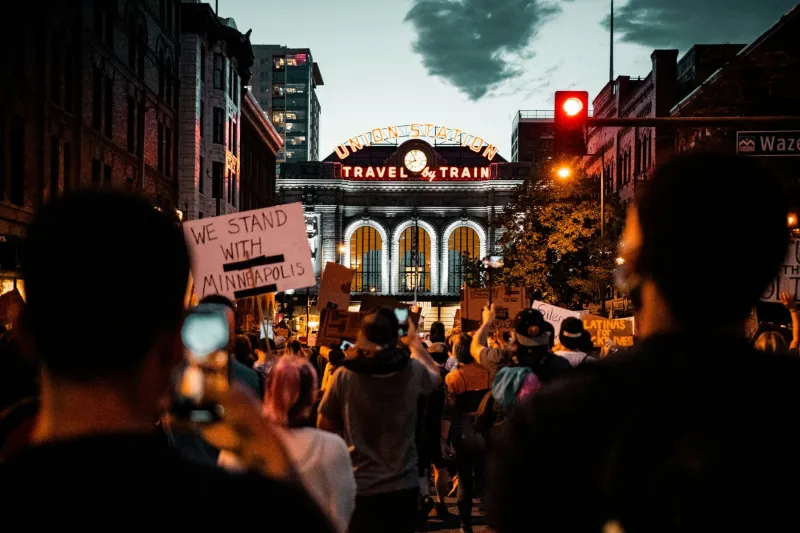
Dismantling the school-to-prison pipeline requires confronting the political forces that built it. The private prison industry, police unions, and "law and order" politicians have created a powerful coalition that profits from mass incarceration. But their influence isn't inevitable — it's the result of organized political power that can be countered by equally organized progressive action.
At the federal level, we need legislation that incentivizes restorative practices and restricts the use of federal funds for school policing. The BUILD Act, which would provide $2.5 billion for school-based mental health services, represents the kind of investment we need. States must eliminate mandatory minimum suspensions and require racial impact assessments for all discipline policies.
Local school boards — often the most accessible level of democratic participation — have enormous power to change course. Parent and community organizing has already transformed discipline policies in dozens of districts across the country. These victories prove that change is possible when communities demand it.
The Moral Imperative
Ultimately, the school-to-prison pipeline represents a fundamental choice about what kind of society we want to be. Do we want schools that nurture potential or institutions that sort children into winners and losers based on race and class? Do we want education systems that develop critical thinking and creativity, or training grounds for compliance and submission?
The students being pushed out of schools today are disproportionately Black and Latino children who deserve the same opportunities as their white peers. They're not statistics to be managed or problems to be solved — they're young people with unlimited potential who need investment, not punishment.
Every day we maintain the current system, we're making a choice to sacrifice another generation of children to the false promise of punitive discipline. But we can choose differently — and we must.
The school-to-prison pipeline isn't a natural disaster or an inevitable social phenomenon; it's a policy choice that we can unmake with the same deliberate political action that created it.