While Americans debate the Supreme Court's blockbuster decisions each June, a far more insidious transformation of American law happens in the shadows. The Court's "shadow docket" — emergency applications decided without oral argument, full briefing, or signed opinions — has mushroomed from a procedural footnote into the primary vehicle for conservative justices to reshape civil rights, voting access, and reproductive freedom before the public even knows what hit them.
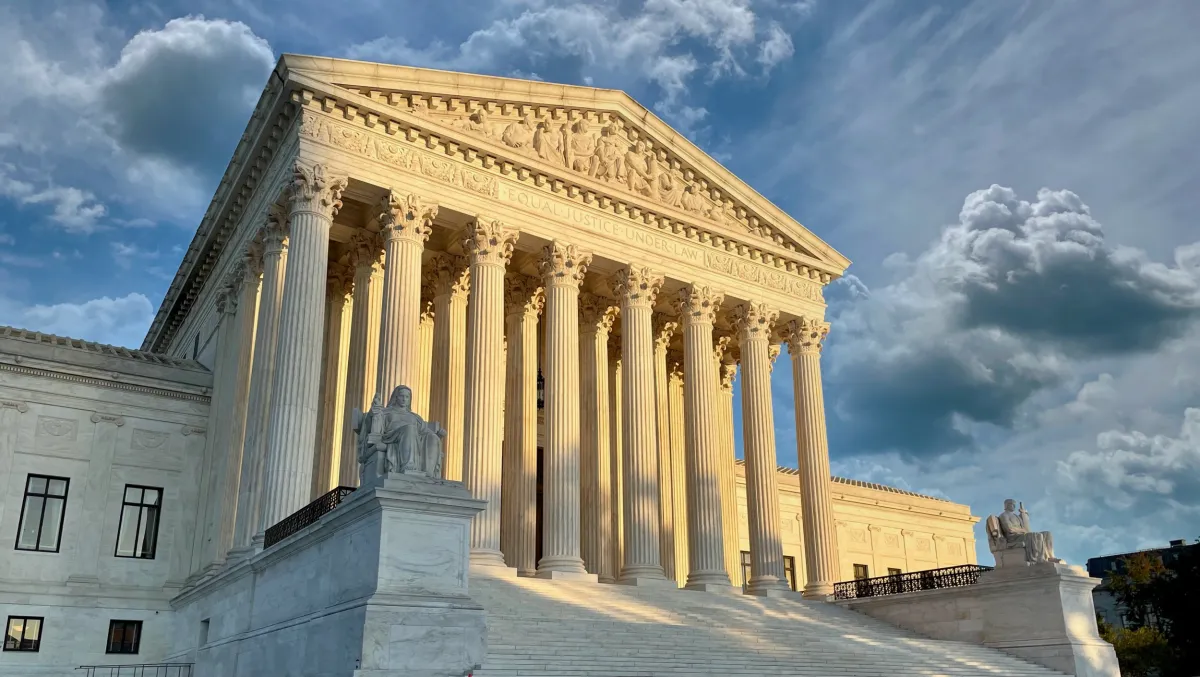 Photo: Supreme Court, via cdn.arstechnica.net
The Numbers Don't Lie
Under Chief Justice John Roberts, shadow docket rulings have exploded in both volume and consequence. During the Obama administration, the government filed an average of eight emergency applications per year. Under Trump, that number jumped to 41 annually. But it's not just quantity — it's the seismic policy shifts these unsigned, unexplained orders are producing.
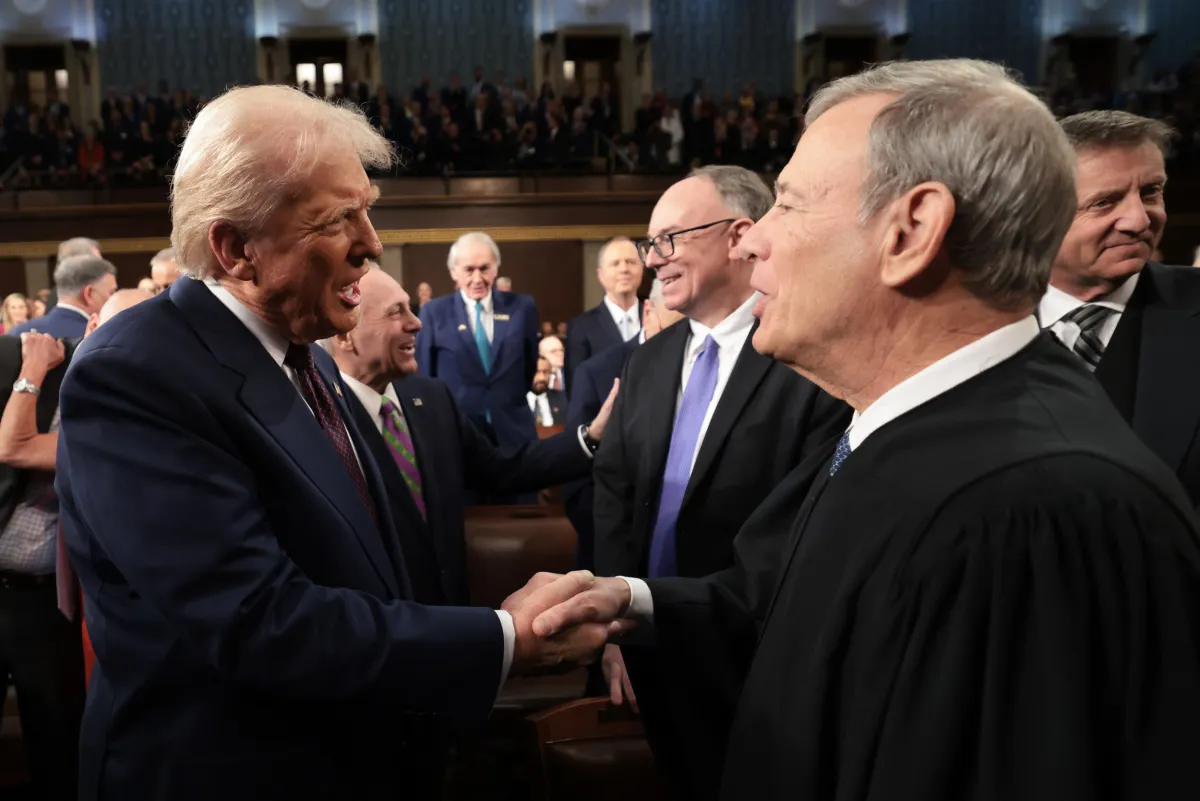 Photo: John Roberts, via d.newsweek.com
In 2021 alone, the shadow docket allowed Texas's six-week abortion ban to take effect, blocked COVID-19 eviction protections for millions of renters, and gutted tribal sovereignty protections that had stood for decades. Each ruling arrived as a brief, unsigned paragraph — no reasoning, no accountability, no opportunity for public input on decisions that affect millions of lives.
Democracy Dies in Darkness
The shadow docket's explosion represents a fundamental betrayal of judicial transparency. Traditional Supreme Court cases involve months of briefing, oral arguments broadcast live, and detailed written opinions explaining the Court's reasoning. Shadow docket cases get none of that. Emergency applications can be filed and decided within days, sometimes hours, with zero public notice.
This isn't how constitutional law is supposed to work. When the Court overturned Roe v. Wade in Dobbs, Americans could read the 213-page decision, understand the reasoning, and respond accordingly. When the shadow docket allowed Texas's bounty-hunter abortion law to take effect, the public got a single paragraph with no explanation — and no recourse.
The procedural obscurity is the point. Shadow docket rulings are harder for journalists to track, more difficult for the public to understand, and nearly impossible to organize against. By the time civil rights groups mobilize opposition, the damage is already done and the Court has moved on to its next unsigned demolition project.
The Conservative Playbook
Critics argue that emergency applications are designed for genuine emergencies — death penalty cases with imminent execution dates, or natural disasters requiring immediate federal response. But conservative justices have weaponized this exception, treating routine policy disputes as constitutional emergencies requiring immediate intervention.
The pattern is clear: Republican attorneys general and conservative advocacy groups file emergency applications to block progressive policies, while the Court's conservative majority rubber-stamps these requests with minimal scrutiny. When Democratic administrations seek similar emergency relief, they face a far higher bar and more skeptical review.
This isn't judicial restraint — it's judicial activism with a procedural smokescreen. The same conservative justices who lecture about "originalism" and "judicial modesty" in their public speeches are quietly rewriting American law through unsigned orders that would make the most aggressive Warren Court liberal blush.
Real Lives, Real Consequences
Behind every shadow docket ruling are real people whose lives are upended by judicial decisions they never saw coming. When the Court blocked the CDC's eviction moratorium through the shadow docket, millions of families faced homelessness during a global pandemic. When it allowed Texas's abortion bounty law to take effect, pregnant women were forced to flee their home state for basic medical care.
These aren't abstract legal questions — they're life-and-death policy decisions being made in the dark by unelected judges with lifetime tenure. The victims of shadow docket rulings don't get the courtesy of knowing why their rights were stripped away, because the Court doesn't bother to explain itself.
The Accountability Crisis
Perhaps most damning is the media's failure to treat the shadow docket as the constitutional crisis it represents. While Supreme Court reporters dutifully cover every oral argument and dissecting opinion, shadow docket rulings often merit a few paragraphs buried in the legal briefs section.
This coverage gap isn't accidental — it reflects the Court's successful strategy of hiding transformative legal changes in procedural complexity. The more arcane the mechanism, the less likely the public is to understand what's being done in their name.
But procedural complexity doesn't diminish constitutional consequences. When the Court uses the shadow docket to gut voting rights protections, those votes are just as suppressed as if the ruling came with a 50-page opinion. When it allows discriminatory policies to take effect, the discrimination is just as real.
The Path Forward
Reforming the shadow docket requires both structural changes and cultural shifts. Congress could require the Court to provide written explanations for all emergency rulings, or mandate public notice periods before major policy changes take effect. Legal journalism must treat shadow docket rulings with the same scrutiny as traditional opinions.
Most importantly, Americans must understand that the Court's most consequential work increasingly happens in the shadows, away from public debate and democratic accountability. The shadow docket isn't a technical procedural matter — it's a direct assault on the principle that major legal changes should happen in the light, with full public awareness of what's at stake.
The Supreme Court's shadow docket has become American democracy's darkest secret, and our silence is its greatest shield.