When Mark Zuckerberg decides to tweak Facebook's algorithm, he doesn't need congressional approval. When Elon Musk changes X's content moderation policies, there's no judicial review. When YouTube demonetizes creators or TikTok suppresses certain hashtags, no democratic process governs these decisions. Yet these choices shape American political discourse more profoundly than most laws passed by Congress.
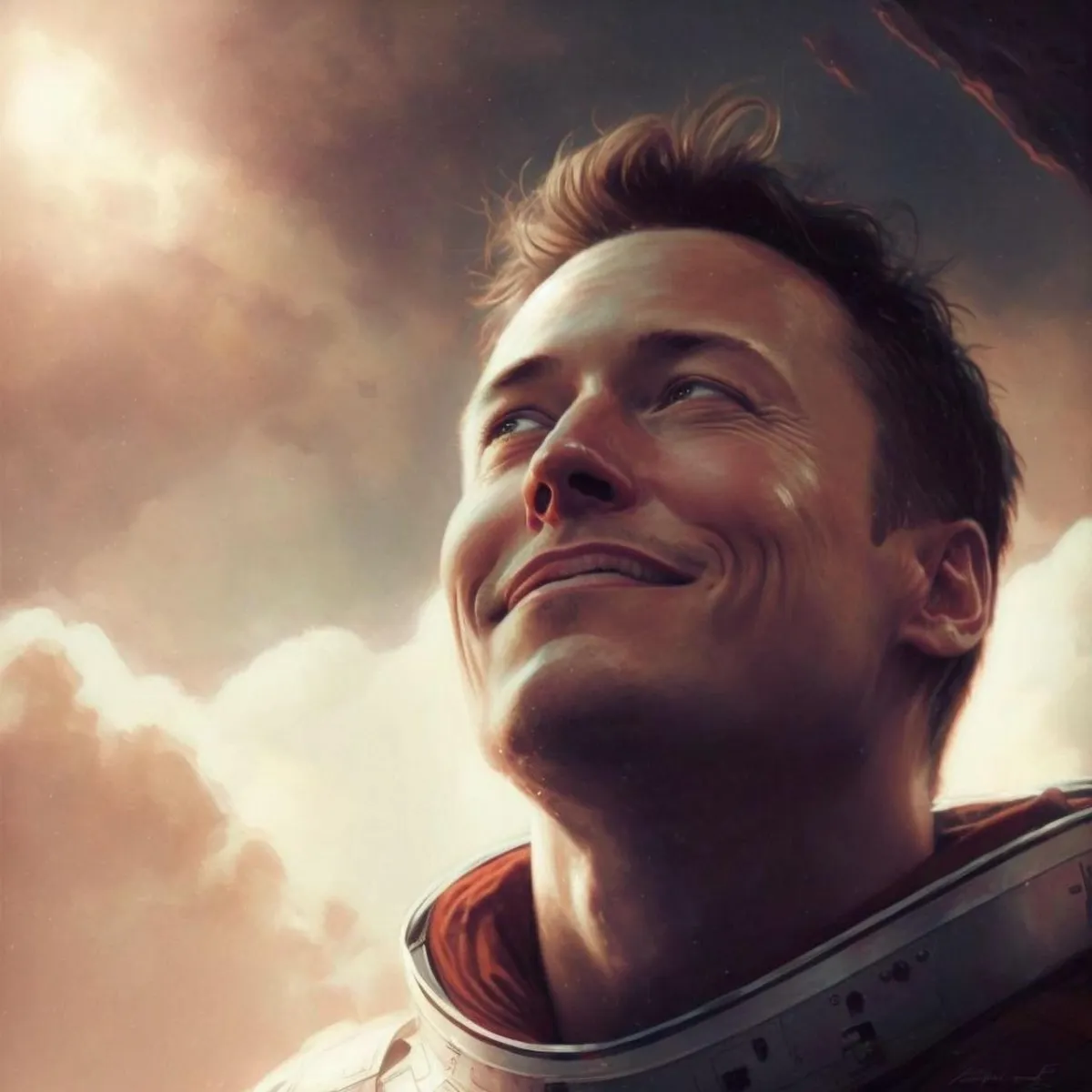 Photo: Elon Musk, via cdn.pixabay.com
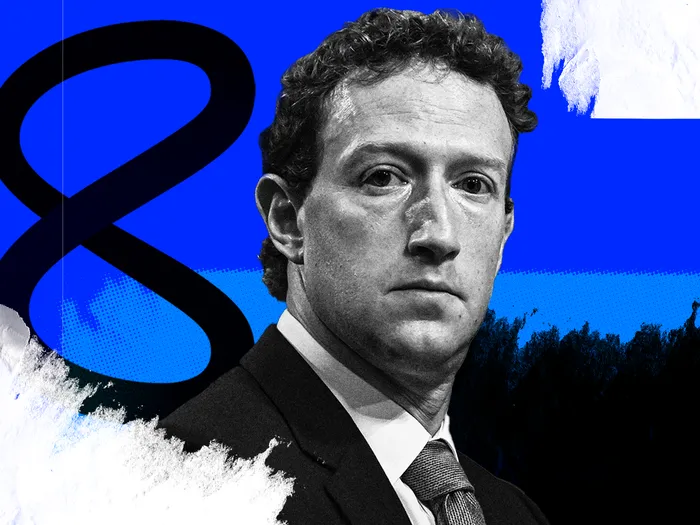 Photo: Mark Zuckerberg, via i.insider.com
We are living in an algorithmocracy — a system where unelected tech executives and their automated systems exercise governmental power over speech, assembly, and the flow of information that determines how democracy itself functions. The platforms that connect 3.8 billion people worldwide have become the de facto regulators of the modern public square, wielding authority that would make 19th-century railroad barons blush.
The New Robber Barons
The parallels to America's first Gilded Age are striking. Just as railroad monopolies once controlled the physical movement of goods and people, social media platforms now control the movement of ideas and information. A handful of companies — Meta, Google, Apple, Amazon — have achieved what economists call "platform dominance," where their market position becomes self-reinforcing and nearly impossible to challenge.
Consider the numbers: Facebook reaches 2.9 billion monthly users. YouTube serves 2.7 billion. These aren't just large businesses; they're essential infrastructure for modern communication. When Twitter was briefly inaccessible during outages, journalists, activists, and even government officials struggled to disseminate information. When Facebook's algorithms change, entire news organizations see their reach collapse overnight.
Yet unlike traditional utilities — electricity, water, telecommunications — these digital monopolies operate with virtually no public oversight. They answer to shareholders, not citizens. Their terms of service carry more weight in determining speech boundaries than the First Amendment, since private platforms can restrict expression in ways the government cannot.
Democracy in the Hands of Billionaires
The 2024 election cycle has made the stakes crystal clear. When Musk acquired Twitter and transformed it into X, he didn't just buy a social media company — he purchased one of the primary channels through which Americans receive political news. His subsequent decisions to restore previously banned accounts, alter content moderation policies, and reportedly suppress links to certain news outlets represent exercises of quasi-governmental power over democratic discourse.
Meanwhile, TikTok's algorithm — controlled by ByteDance, a Chinese company — helps determine what political content reaches 150 million American users, many of them young voters. Facebook's decision to de-emphasize political content in news feeds affects which campaigns and causes gain visibility. YouTube's monetization policies influence which political commentators can sustain their work.
These aren't market decisions in any traditional sense. They're editorial choices about democratic participation itself, made by individuals and corporations with no accountability to the public they affect.
The Progressive Blind Spot
The American left has struggled to develop a coherent response to platform power, often caught between defending free speech principles and demanding accountability for harmful content. This hesitation has allowed conservatives to frame tech regulation primarily around claims of anti-conservative bias, obscuring the deeper structural issues.
But the real problem isn't bias — it's the concentration of power itself. When a small number of executives can determine the parameters of public debate, democracy suffers regardless of their political leanings. Progressive movements have experienced this firsthand: labor organizers find their content throttled, climate activists see their reach limited, and grassroots campaigns struggle against algorithms that favor established voices with advertising budgets.
The solution isn't to hope for benevolent billionaires. It's to democratize platform governance through regulation, public alternatives, and new models of accountability.
Learning From History
America has faced concentrated private power before. In the early 20th century, progressives recognized that railroads, steel companies, and oil trusts had grown too powerful to remain purely private entities. They created antitrust law, public utility regulation, and democratic oversight mechanisms that balanced private innovation with public accountability.
The same principle should apply to digital platforms. Companies that achieve essential infrastructure status — where their services become necessary for full participation in economic and political life — should face corresponding public responsibilities.
This could take several forms: algorithmic transparency requirements, democratic input on content policies, public representation on platform governance boards, or even public options that provide alternative channels for digital communication. The Federal Communications Commission once required broadcasters to serve "the public interest, convenience, and necessity." Similar obligations should apply to today's digital broadcasters.
 Photo: Federal Communications Commission, via technical.ly
The Path Forward
Several promising models are emerging. The European Union's Digital Services Act requires large platforms to submit to external audits and provide greater transparency about their algorithms. Some states are exploring platform accountability laws. Progressive organizations are developing frameworks for "digital rights" that would guarantee citizens' participation in digital public spheres.
But these efforts remain fragmented and insufficient to the scale of the challenge. What's needed is a comprehensive progressive vision for digital democracy — one that treats platform governance as a public concern, not a private prerogative.
This means moving beyond content moderation debates to address fundamental questions of power: Who gets to decide how information flows in a democratic society? How do we ensure that essential communication infrastructure serves public purposes, not just private profit? What democratic controls should exist over systems that shape electoral outcomes?
Reclaiming Digital Democracy
The current system — where a handful of tech executives exercise quasi-governmental power over democratic discourse — is neither sustainable nor legitimate. As platform algorithms increasingly determine which voices get heard and which movements gain traction, the stakes of this power concentration only grow.
Progressives cannot afford to cede digital governance to Silicon Valley oligarchs while hoping market forces will somehow produce democratic outcomes. The history of American capitalism suggests otherwise: concentrated private power, left unchecked, inevitably undermines democratic institutions.
The choice is clear: either we democratize platform power through public accountability, or we accept that America's most important conversations will be governed by the business interests of unelected tech billionaires. In a genuine democracy, that shouldn't be a difficult decision to make.