The Architecture of Exclusion
In neighborhoods across America, an invisible wall separates opportunity from those who need it most. This barrier isn't built from concrete or steel—it's constructed from zoning codes that mandate single-family homes only, effectively pricing out working families from accessing quality schools, job centers, and generational wealth-building opportunities. What appears to be simple urban planning is actually one of the most sophisticated systems of economic segregation ever devised.
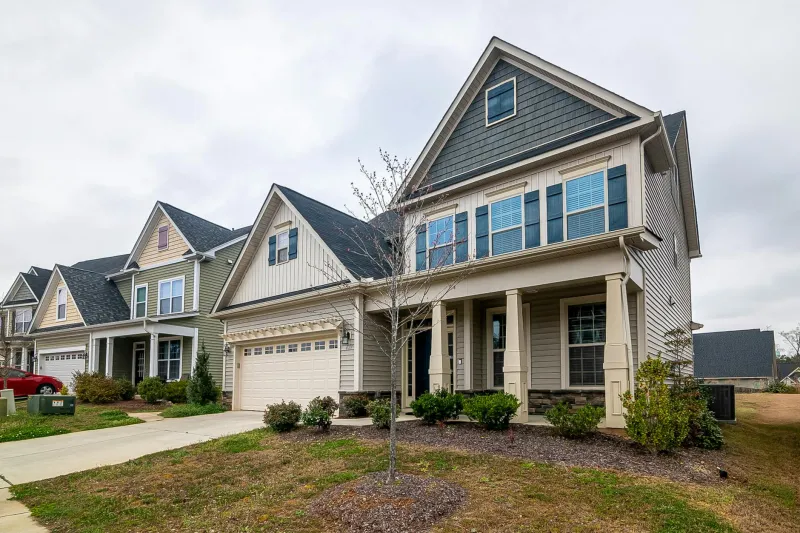
The numbers tell a stark story. In San Francisco, where 80% of residential land is zoned exclusively for single-family homes, the median house price has reached $1.4 million. In Austin, single-family zoning covers 84% of residential areas, contributing to a housing shortage that has pushed median rents up 40% in just five years. Across the country, these policies don't just limit housing supply—they systematically exclude families who earn less than six figures from entire zip codes.
 Photo: San Francisco, via sanfrancisco415day.com
The Segregationist Origins We'd Rather Forget
Single-family zoning didn't emerge from neutral urban planning principles. Its roots trace directly to early 20th-century efforts to maintain racial segregation through supposedly race-neutral means. After the Supreme Court struck down explicit racial zoning in Buchanan v. Warley (1917), cities needed subtler tools to maintain white neighborhoods.
The solution was elegant in its cruelty: require expensive, large-lot single-family homes in desirable areas. Berkeley, California pioneered this approach in 1916, explicitly stating that apartment buildings would attract "undesirable" residents to wealthy neighborhoods. The Federal Housing Administration later codified these practices nationwide, refusing to insure mortgages in areas that allowed multi-family housing—a policy that lasted into the 1960s.
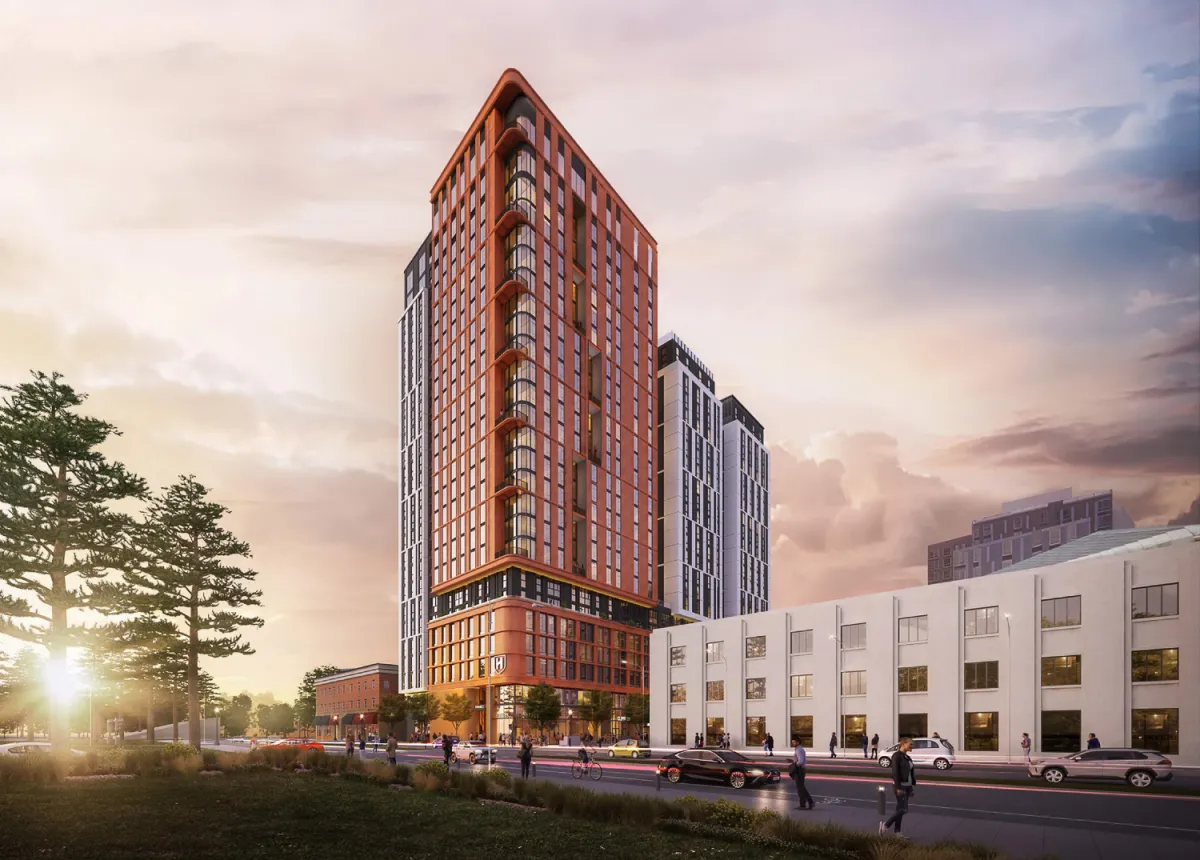 Photo: Berkeley, California, via sfyimby.com
Today's defenders of single-family zoning rarely acknowledge this history, preferring to speak in coded language about "neighborhood character" and "property values." But the exclusionary intent remains unchanged, even if the rhetoric has been sanitized.
The Wealth Gap by Design
The consequences of zoning-enforced exclusion compound across generations. Families locked out of opportunity-rich neighborhoods can't access the superior schools, job networks, and appreciation in home values that drive wealth accumulation. Meanwhile, existing homeowners in these areas see their property values artificially inflated by restricted supply—a form of government-sponsored wealth transfer from renters to owners, from young to old, from diverse to homogeneous communities.
Consider the tale of two elementary schools just 15 minutes apart in Westchester County, New York. The school in the single-family-only district spends $28,000 per student annually and sends 95% of graduates to four-year colleges. The school in the mixed-zoning district—where apartments are allowed—spends $18,000 per student and sees just 60% pursue higher education. This isn't coincidence; it's the predictable result of policies that concentrate affluent families in artificially scarce neighborhoods.
The Federal Reserve Bank of Minneapolis found that eliminating single-family zoning could reduce housing costs by 12-25% in expensive markets while increasing tax revenue from higher-density development. Yet most suburbs resist these changes, preferring to maintain their exclusive character even as teachers, firefighters, and nurses can no longer afford to live in the communities they serve.
The Conservative Counterargument Falls Apart
Defenders of exclusionary zoning typically argue that density brings traffic, crime, and declining property values. These claims don't withstand scrutiny. Portland's zoning reforms, which legalized duplexes and fourplexes in single-family neighborhoods, have produced gentle density that preserves neighborhood aesthetics while creating more housing options. Property values in these areas have continued rising, debunking fears of economic catastrophe.
The traffic argument particularly rings hollow coming from suburbs that require cars for every daily activity. Dense, walkable neighborhoods actually reduce vehicle trips per resident. As for crime, the evidence consistently shows that economic integration and community investment—not housing type—determine neighborhood safety.
What these arguments really defend isn't neighborhood quality but neighborhood exclusivity. They represent a sophisticated form of NIMBY-ism that uses environmental and safety concerns to mask economic discrimination.
Cities Leading the Way Forward
Progressives shouldn't despair—momentum for zoning reform is building. Minneapolis made history in 2019 by becoming the first major U.S. city to eliminate single-family zoning citywide, allowing triplexes throughout previously exclusive neighborhoods. Early results show increased housing production without the neighborhood disruption critics predicted.
California has taken a different approach, passing legislation requiring cities to allow accessory dwelling units (ADUs) and small apartment buildings near transit. These reforms have already produced thousands of new housing units in previously off-limits areas.
Oregon went furthest, requiring all cities over 10,000 residents to allow duplexes in single-family zones. The policy faced fierce initial resistance but is now generating new housing options for middle-class families previously priced out of homeownership.
The Human Cost of Housing Apartheid
Behind every zoning map lies human consequences that progressive movements must center. Teachers commuting two hours each way because they can't afford to live near their schools. Young families paying 50% of their income in rent while being told homeownership requires moving to distant suburbs. Seniors on fixed incomes displaced from gentrifying neighborhoods with no affordable options nearby.
These aren't abstract policy failures—they're moral crises that demand urgent action. Every month we delay zoning reform, thousands more families are pushed further from opportunity, deepening the very inequalities that progressive politics exists to address.
Breaking the Zoning Trap
The path forward requires recognizing that housing is a civil rights issue, not just an economic one. Just as we dismantled legal segregation in schools and public accommodations, we must dismantle the zoning policies that maintain segregation in housing and education.
This means supporting state-level legislation that overrides local exclusionary zoning, funding transit-oriented development, and building political coalitions that include both housing advocates and racial justice organizations. It means making the moral case that no family should be excluded from opportunity because of their income level.
Most importantly, it means understanding that in a country where your zip code determines your life chances, zoning reform isn't just good housing policy—it's essential democracy work.
The zoning trap has locked millions of Americans out of the opportunities they need to build better lives, but unlike the physical barriers of Jim Crow, these walls can be torn down with the stroke of a legislative pen.