Erasing Birthright: How the War on Citizenship Is Creating a Generation of American Orphans

The Constitutional Crisis in the Cradle
In hospitals across America, children are being born into a legal limbo that the Constitution was explicitly designed to prevent. Despite being born on U.S. soil to parents who may be undocumented or on temporary visas, these newborns are increasingly finding themselves denied the citizenship that the 14th Amendment guarantees to "all persons born or naturalized in the United States."
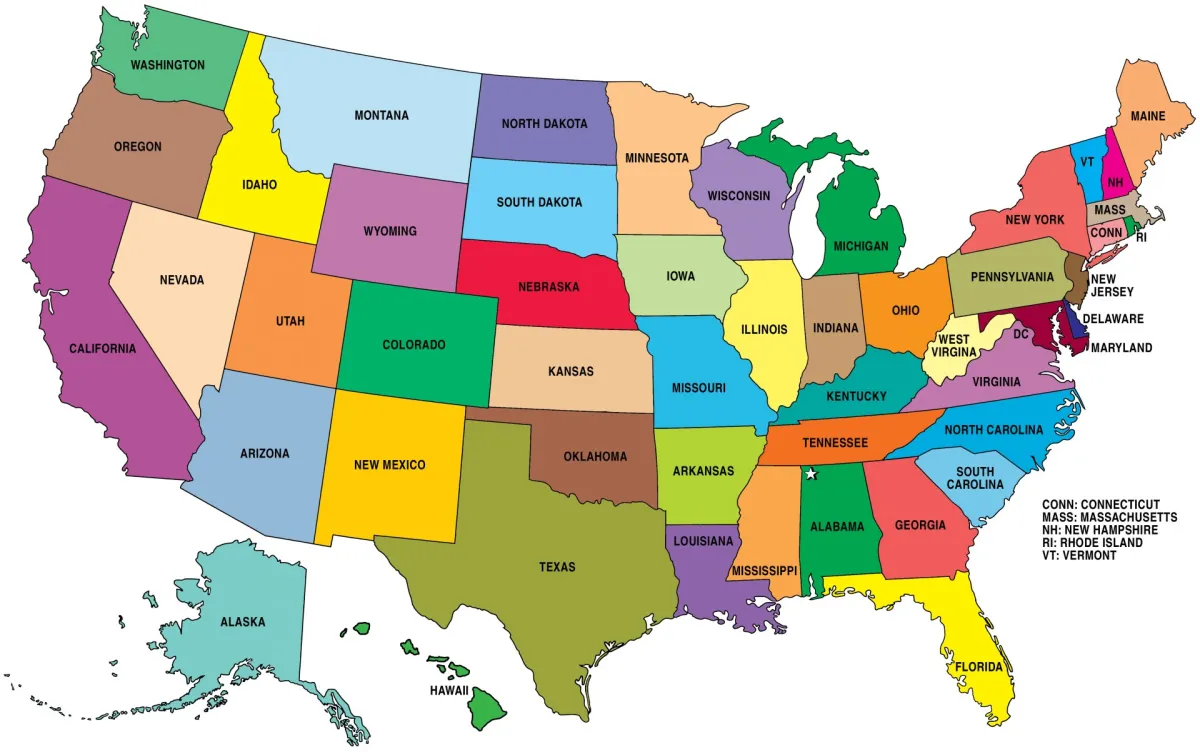 Photo: United States, via images7.alphacoders.com
Executive orders, state legislation, and coordinated legal challenges are systematically undermining birthright citizenship—not through constitutional amendment, which would require overwhelming political consensus, but through bureaucratic reinterpretation and administrative warfare. The result is a growing population of children who are American by birth but stateless in practice, caught between a country that won't claim them and parents' home countries they've never seen.
This isn't just a legal technicality—it's a humanitarian catastrophe unfolding in real time, creating a permanent underclass of children who exist in the shadows of the only country they've ever known.
The Numbers Behind the Crisis
Approximately 300,000 children are born annually in the United States to undocumented parents, according to Pew Research Center data. Another 100,000 are born to parents on temporary visas—including H-1B workers, international students, and asylum seekers whose cases are pending. Under traditional interpretation of the 14th Amendment, all of these children are U.S. citizens from birth, entitled to the full protection of American law.
But administrative changes implemented since 2017 have created bureaucratic barriers that effectively deny citizenship to thousands of these children. State vital records offices in Texas, Arizona, and Florida have begun requiring additional documentation from parents before issuing birth certificates—documentation that undocumented parents cannot provide. Without birth certificates, these children cannot obtain Social Security numbers, enroll in school, or access basic government services.
The State Department has similarly tightened rules for children born abroad to American parents, creating a parallel crisis for military families and overseas workers. But the domestic assault on birthright citizenship represents something more fundamental: an attempt to rewrite the Constitution through administrative action, bypassing the democratic process entirely.
The Legal Battlefield
The constitutional law is unambiguous. The 14th Amendment, ratified in 1868 to ensure that formerly enslaved people could not be denied citizenship, states that "all persons born or naturalized in the United States, and subject to the jurisdiction thereof, are citizens of the United States." The Supreme Court affirmed this principle in United States v. Wong Kim Ark (1898), ruling that children born on American soil to non-citizen parents are American citizens regardless of their parents' legal status.
Yet conservative legal scholars have developed increasingly creative interpretations of the phrase "subject to the jurisdiction thereof," arguing that children of undocumented immigrants don't qualify for citizenship because their parents owe allegiance to foreign governments. This interpretation requires ignoring 125 years of legal precedent and the plain text of the amendment, but it has gained traction in conservative legal circles and Trump administration policy documents.
The real-world impact of these legal theories is devastating. Children denied birth certificates cannot prove their citizenship later in life, creating permanent documentation problems that follow them into adulthood. They cannot obtain driver's licenses, apply for college financial aid, or work legally—even though they are constitutionally American citizens.
The Human Toll of Statelessness
Maria Santos (not her real name) was born in Houston in 2019 to parents who entered the United States without documentation from Guatemala. Despite being born in a Texas hospital, Maria has never received a birth certificate because her parents could not provide the additional identification documents that Texas began requiring in 2018. At age five, she cannot enroll in kindergarten, has never seen a pediatrician, and exists entirely outside the legal system.
Maria's story is not unique. Immigration attorneys report hundreds of similar cases across Texas alone, where families are forced to homeschool children who cannot prove their citizenship, seek medical care from community health centers that don't require documentation, and live in constant fear that their American-born children could be deported to countries they've never seen.
The psychological impact on these children is profound. Research from the Center for Migration Studies shows that children in mixed-status families—where some members have legal status and others don't—experience higher rates of anxiety, depression, and developmental delays. When the children themselves are denied recognition of their citizenship, these mental health impacts intensify dramatically.
The Conservative Legal Strategy
Defenders of restrictionist interpretations argue that birthright citizenship creates "anchor babies"—a dehumanizing term used to suggest that families have children specifically to gain immigration benefits. They contend that the 14th Amendment was never intended to apply to children of people in the country illegally, and that automatic citizenship encourages unauthorized immigration.
This argument is historically illiterate and morally bankrupt. The 14th Amendment's language is deliberately broad, designed to prevent exactly the kind of selective citizenship denial that restrictionists now advocate. The framers could have written "all persons born to American citizens" or "all persons born to legal residents," but they chose universal language precisely to prevent future attempts to create second-class citizenship.
Moreover, research consistently shows that immigration decisions are driven by economic opportunity and safety concerns, not citizenship policies. Countries with more restrictive citizenship laws don't experience lower immigration rates—they simply create larger populations of stateless people who become permanent underclasses.
International Law and American Hypocrisy
The United States is party to multiple international treaties that prohibit the creation of stateless persons, including the 1961 Convention on the Reduction of Statelessness. When American policies deny citizenship to children born on U.S. soil, they violate these international commitments while creating the very human rights problems that America criticizes in other countries.
The irony is particularly stark given America's history of criticizing countries like Kuwait and Lebanon for denying citizenship to children born within their borders. The State Department's annual human rights reports routinely condemn statelessness as a fundamental violation of human dignity—even as American policies create stateless children in American cities.
The Ripple Effects
The assault on birthright citizenship extends far beyond immigration policy. When government agencies can selectively interpret constitutional amendments, no rights are safe. If the 14th Amendment's citizenship clause can be administratively rewritten, what prevents similar reinterpretation of its equal protection guarantees? If birth on American soil doesn't guarantee American citizenship, what other constitutional protections might be subject to bureaucratic revision?
These questions aren't hypothetical. The same legal theories being used to deny birthright citizenship have been deployed to challenge voting rights, reproductive autonomy, and LGBTQ+ protections. The attack on constitutional citizenship is part of a broader project to concentrate power in the hands of those who believe some Americans are more American than others.
The Electoral Calculation
The timing of the birthright citizenship assault is no coincidence. As America becomes increasingly diverse, white nationalist political movements have embraced demographic anxiety as a mobilizing force. Denying citizenship to children of immigrants is both symbolically powerful—it reinforces the message that America belongs to some people more than others—and practically effective, reducing the future voting power of communities that tend to support progressive policies.
This is minority rule through constitutional vandalism: when you can't win democratic majorities, you change the definition of who counts as a democrat.
The Path Forward
Congress could resolve this crisis immediately by passing legislation that explicitly affirms birthright citizenship and requires all government agencies to issue documentation to American-born children regardless of their parents' status. Several bills have been introduced with this purpose, but they face opposition from Republicans who see political advantage in maintaining the current chaos.
Federal courts have begun pushing back against the most egregious administrative restrictions, but litigation is slow and children suffer while cases wind through the system. The most vulnerable families often lack the resources to challenge bureaucratic denials, meaning that many violations of constitutional rights go unchallenged.
The Moral Imperative
Ultimately, the fight over birthright citizenship is about what kind of country America chooses to be. A nation that denies citizenship to children born within its borders is not upholding constitutional principles—it's abandoning them in service of racial anxiety and political expedience.
Every child born on American soil carries the promise of American democracy: that your value as a person doesn't depend on your parents' documentation status, your family's wealth, or your ancestors' country of origin. When we abandon that promise, we don't just harm individual children—we betray the constitutional principles that make American citizenship worth having in the first place.