The Judicial Appointment Assembly Line: How Lifetime Judges Are Being Confirmed Faster Than Ever — With Less Scrutiny Than a Background Check

The Speed of Judicial Power
In the past decade, the confirmation of federal judges has transformed from a deliberative process into what resembles a judicial assembly line. Where nominees once faced months of scrutiny, background investigations, and comprehensive hearings, today's appointees are being fast-tracked through confirmation at unprecedented speed. The American Bar Association's traditional role in evaluating judicial qualifications has been marginalized, with nominees receiving "Not Qualified" ratings still advancing to lifetime appointments. This systematic acceleration of judicial confirmations represents one of the most profound shifts in American governance — and one of the least scrutinized.
 Photo: American Bar Association, via edelsonlawllc.com
When Lifetime Appointments Meet Fast-Track Politics
From a progressive perspective, this judicial speed-dating represents a fundamental assault on democratic accountability. Federal judges serve for life, wielding power that extends decades beyond any elected official who appointed them. Yet the confirmation process has been stripped of the deliberative elements that once provided at least minimal public oversight. The Senate's elimination of the filibuster for judicial nominees, combined with increasingly partisan confirmation votes, has created a system where ideological loyalty trumps judicial temperament or legal competency.
Consider the numbers: under recent administrations, the median time from nomination to confirmation has dropped from over 200 days to fewer than 75 days for district court judges. Circuit court appointments, which shape constitutional interpretation for entire regions, are being confirmed with hearings lasting mere hours. The result is a judiciary being shaped not by careful evaluation of legal minds, but by the political expediency of whoever controls the Senate at any given moment.
The ABA Rating Collapse
The American Bar Association's judicial evaluation process, while imperfect, once provided a baseline professional standard for federal appointments. The ABA's "Well Qualified," "Qualified," and "Not Qualified" ratings offered at least some check against purely political appointments. That system has effectively collapsed. In recent confirmation cycles, multiple nominees rated "Not Qualified" by the ABA have been confirmed to lifetime positions, with senators dismissing professional legal assessment as partisan politics.
This erosion matters because ABA ratings correlate with judicial competence in measurable ways. Judges rated "Not Qualified" are more likely to have their decisions overturned on appeal, more likely to face ethics complaints, and more likely to demonstrate the kind of judicial temperament that undermines public confidence in the courts. When professional standards are abandoned in favor of ideological litmus tests, the quality of justice suffers.
The Human Cost of Judicial Speed
Conservatives argue that rapid confirmations simply restore efficiency to a process that had become unnecessarily cumbersome. They contend that extensive hearings and investigations had become political theater rather than meaningful vetting. But this argument ignores the downstream human consequences of installing unqualified or ideologically extreme judges.
Federal judges shape American life in ways that extend far beyond high-profile Supreme Court decisions. District court judges determine whether workers can organize, whether reproductive rights are protected, whether environmental regulations are enforced, and whether civil rights laws have meaning. Circuit court judges establish precedents that govern millions of Americans across entire regions. When these positions are filled based on speed rather than scrutiny, real people bear the cost.
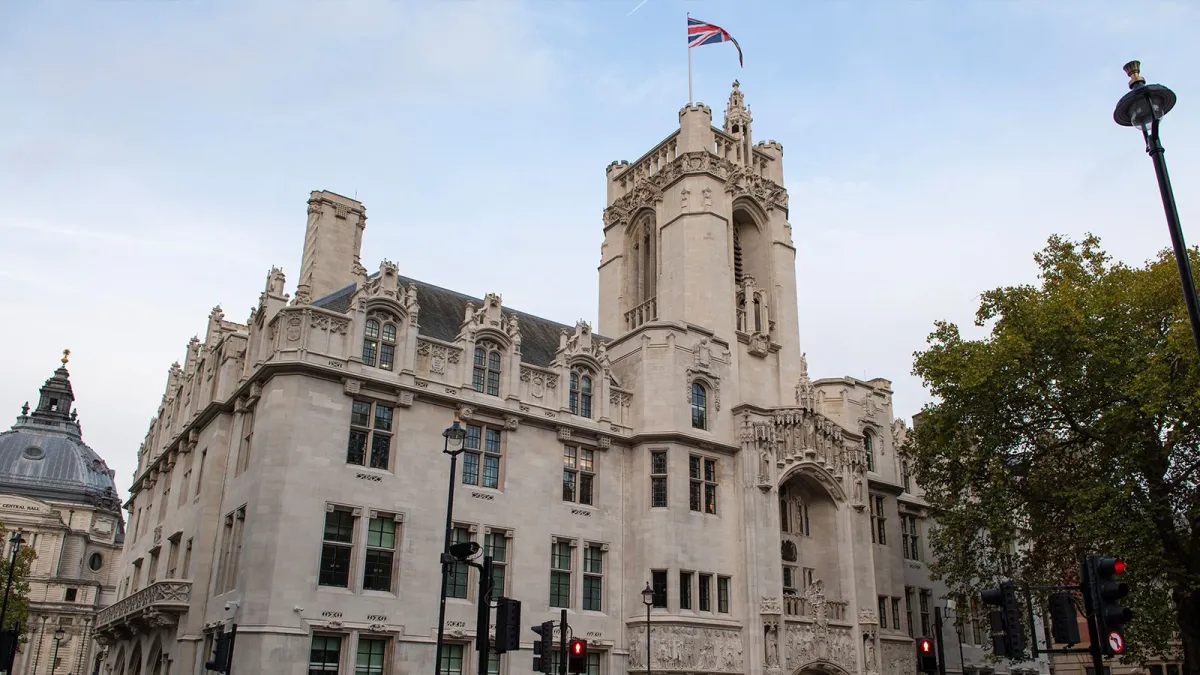 Photo: Supreme Court, via ukscprod-cms-gdgqf0dceefzdrb7.a02.azurefd.net
Consider reproductive rights: judges confirmed without adequate vetting are now issuing nationwide injunctions against FDA-approved medications, making medical decisions that affect millions of women. In labor law, fast-tracked judges are dismantling union protections and worker safety regulations with minimal understanding of the economic realities facing American workers. In civil rights cases, judges with thin legal backgrounds are making decisions that will shape racial equity and LGBTQ+ protections for decades.
The Democracy Deficit
The broader implication of this judicial assembly line extends beyond any single case or decision. It represents a fundamental breakdown in democratic accountability. Voters can replace senators and presidents, but they cannot remove federal judges. The only democratic check on lifetime judicial appointments is the confirmation process itself — and that process has been systematically gutted.
This creates a peculiar form of democratic deficit where the branch of government most insulated from public accountability is also the least scrutinized during appointment. The result is a judiciary that reflects not the considered judgment of democratic institutions, but the partisan calculations of whoever happened to control the Senate when seats became vacant.
The Long Shadow of Lifetime Tenure
The consequences of today's confirmation speed will reverberate for generations. Federal judges appointed in their 40s will serve into the 2060s and beyond, long after the political movements that appointed them have faded from memory. The civil rights protections, labor standards, and environmental safeguards that define American life will be shaped by judges selected through a process that prioritized speed over scrutiny, ideology over competence.
This represents a profound intergenerational transfer of power from democratic institutions to unelected lifetime appointees. Future Americans will live under constitutional interpretations shaped by judges who were never subjected to meaningful public vetting, never required to demonstrate basic judicial competency, and never held accountable to the communities they will govern.
Reclaiming Democratic Oversight
The solution is not to slow judicial confirmations to a crawl, but to restore meaningful standards to the process. This means reinstating the ABA's role in judicial evaluation, requiring comprehensive background investigations, and ensuring that lifetime appointments receive the scrutiny they deserve. It means treating judicial confirmation as a democratic responsibility rather than a partisan opportunity.
Most fundamentally, it means recognizing that judicial appointments are not just about law — they are about democracy itself. When lifetime judges are installed without democratic oversight, the very foundation of accountable government erodes.
The assembly line approach to judicial appointments trades the legitimacy of the courts for short-term political advantage, and American democracy will be paying that price long after today's senators have left office.