The Invisible Eviction: How 'Soft' Displacement Is Pushing Working-Class Communities Out of Cities Without a Single Court Order

The Displacement That Doesn't Exist in Court Records
Every year, researchers and policymakers focus intensely on formal eviction filings — the court cases, the sheriff's notices, the dramatic removals that generate statistics and news coverage. But across American cities, a parallel displacement crisis is unfolding that leaves virtually no paper trail: the systematic use of rent increases, utility manipulation, harassment campaigns, and administrative barriers to push working-class tenants out of their homes without ever filing a single eviction case.
This "soft displacement" affects millions of Americans annually, yet it remains largely invisible to housing researchers, tenant advocates, and policymakers who rely on court records to understand the scope of housing instability. The result is a massive undercount of displacement that allows landlords to clear buildings and neighborhoods while maintaining plausible deniability about their intentions.
The Toolkit of Invisible Displacement
Soft displacement operates through a sophisticated array of tactics designed to make staying impossible while avoiding the legal protections that formal eviction processes provide. Unlike court-ordered evictions, which require due process and often trigger tenant rights and assistance programs, these methods exploit the gaps in tenant protection laws.
Utility Weaponization represents one of the most common tactics. Landlords in older buildings frequently control utility accounts, giving them the power to shut off heat, water, or electricity for "maintenance" that stretches on indefinitely. In cities like Baltimore and Detroit, tenant advocates report cases where utilities remain "temporarily" disconnected for months, forcing families to relocate without any court involvement.
Strategic Non-Renewal of leases has become standard practice in gentrifying neighborhoods. Rather than raising rents to illegal levels or filing eviction cases, landlords simply decline to renew month-to-month leases or allow year-long leases to expire. This is perfectly legal in most jurisdictions and gives tenants no recourse beyond finding alternative housing in an increasingly expensive market.
Code Enforcement Manipulation involves landlords reporting their own properties for violations, then using the resulting citations as justification for displacing tenants during "renovations." This tactic is particularly common in cities with strong rent stabilization laws, as it provides a legal pathway to remove tenants and re-rent units at market rates.
The Economics of Invisible Displacement
The financial incentives driving soft displacement are enormous. In cities like San Francisco, New York, and Washington D.C., the gap between rent-stabilized units and market-rate apartments can exceed $2,000 per month. For a building owner, clearing just ten units can generate an additional $240,000 in annual revenue — more than enough to justify aggressive displacement campaigns.
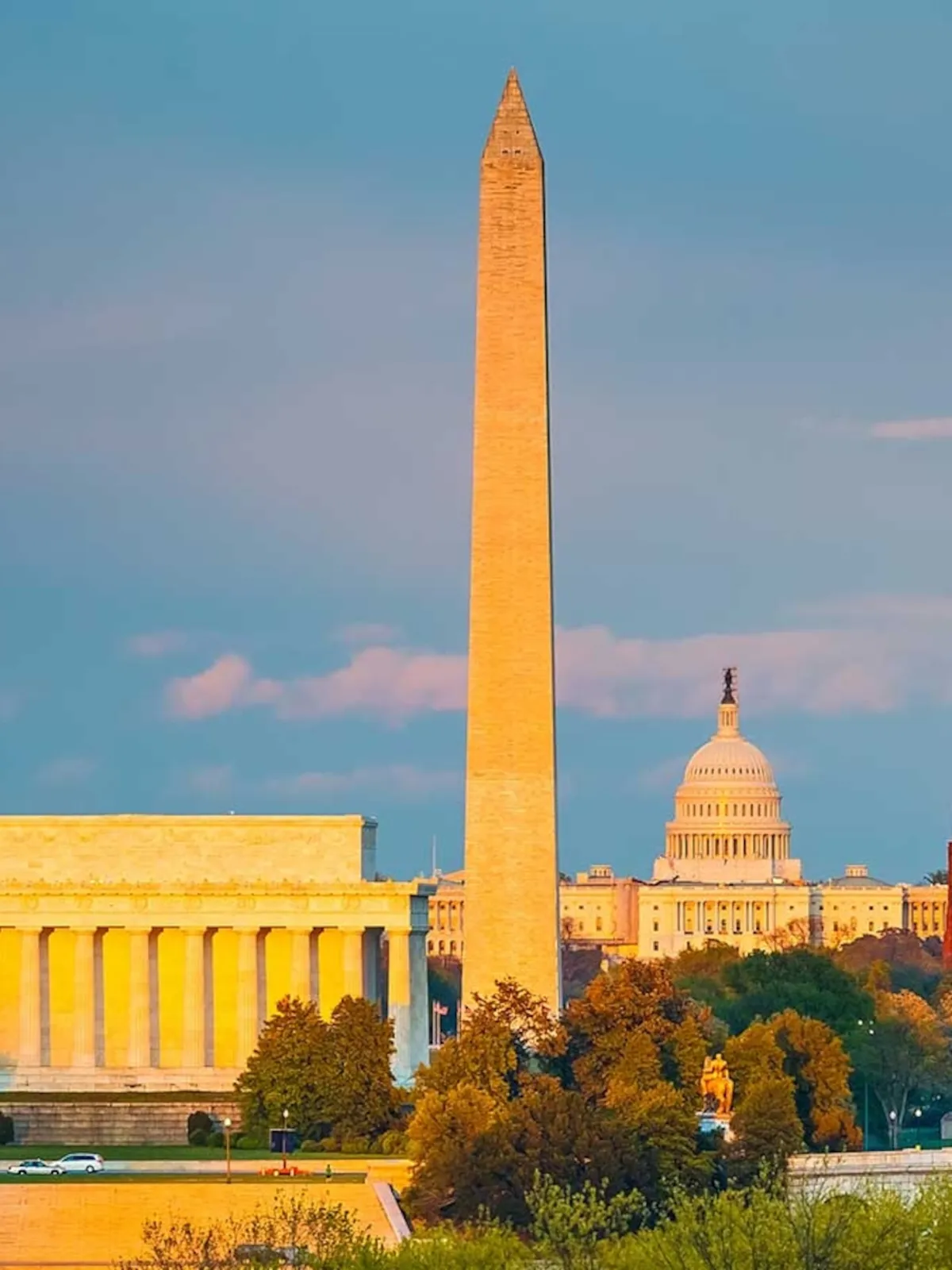 Photo: Washington D.C., via i.natgeofe.com
 Photo: San Francisco, via experism.com
Unlike formal evictions, which can take months to complete and often result in settlements that allow tenants to remain, soft displacement can clear units in weeks. Tenants facing utility shutoffs, harassment, or lease non-renewals rarely have the resources or legal knowledge to fight back, making this approach far more efficient from a landlord's perspective.
The Anti-Eviction Mapping Project, which tracks displacement across multiple cities, estimates that soft displacement affects three to five times as many households as formal evictions. In San Francisco alone, researchers documented over 25,000 households displaced through non-eviction means between 2010 and 2020 — compared to approximately 8,000 formal eviction filings during the same period.
The Demographic Targeting of Soft Displacement
Soft displacement doesn't affect all tenants equally. Research consistently shows that these tactics disproportionately target communities of color, elderly tenants, immigrant families, and households with limited English proficiency — groups that are less likely to know their rights or have access to legal representation.
In Los Angeles, a 2023 study by the UCLA Center for Neighborhood Knowledge found that Latino and Black households were 40% more likely to experience soft displacement than white households, even controlling for income and neighborhood characteristics. This disparity reflects both the concentration of these communities in buildings owned by aggressive landlords and their reduced access to legal resources and advocacy organizations.
Language barriers make immigrant communities particularly vulnerable. Landlords routinely provide notices and communications only in English, making it difficult for non-English speakers to understand their rights or respond appropriately to displacement pressure.
Age discrimination manifests through targeting elderly tenants who may be more susceptible to harassment and less able to navigate complex housing searches. In rent-stabilized buildings, elderly long-term tenants often pay significantly below-market rents, making them prime targets for displacement campaigns.
The Policy Blind Spot
The invisibility of soft displacement creates a massive blind spot in housing policy. Most tenant protection laws focus on formal eviction processes, creating extensive due process rights for tenants facing court cases while providing minimal protection against the tactics that actually drive most displacement.
Current data collection methods exacerbate this problem. The Census Bureau's American Housing Survey, HUD's housing studies, and local housing authorities primarily track formal evictions and documented rent increases. Displacement through utility shutoffs, harassment, or lease non-renewals simply doesn't appear in official statistics.
This data gap has profound policy implications. When policymakers believe displacement is primarily driven by formal evictions, they focus resources on eviction prevention programs and tenant legal aid for court cases. While these interventions are valuable, they miss the majority of households actually being displaced.
The Gentrification Acceleration Effect
Soft displacement serves as a key mechanism accelerating neighborhood gentrification. Unlike formal evictions, which generate negative publicity and community opposition, these tactics allow landlords to clear buildings quietly while maintaining the appearance of natural tenant turnover.
In rapidly changing neighborhoods, this creates a vicious cycle. As market-rate rents rise, the financial incentives for displacement increase, leading to more aggressive soft displacement campaigns. The resulting reduction in affordable housing stock drives further rent increases, making displacement even more profitable.
Research in Washington D.C.'s Shaw neighborhood documented this pattern clearly. Between 2010 and 2018, the area experienced fewer than 200 formal eviction filings but lost over 60% of its Black population. Housing advocates documented extensive use of utility shutoffs, lease non-renewals, and harassment campaigns, but these tactics generated no official displacement statistics.
Legal Loopholes and Regulatory Capture
The persistence of soft displacement reflects significant gaps in tenant protection laws and weak enforcement of existing regulations. Most cities lack comprehensive anti-harassment ordinances, and those that exist often have minimal penalties and limited enforcement mechanisms.
Utility protection laws are particularly inadequate. While most jurisdictions prohibit landlords from shutting off utilities as retaliation, proving retaliatory intent is extremely difficult, and penalties are often too small to deter wealthy property owners.
Lease renewal requirements exist in some rent-stabilized markets, but they typically include broad exceptions for owner occupancy, major renovations, and building conversions that are easily exploited.
Code enforcement systems are frequently captured by real estate interests, with inspectors reluctant to penalize landlords for conditions that may be part of displacement campaigns.
The Community Destruction Beyond Individual Displacement
Soft displacement doesn't just harm individual families — it systematically destroys community networks and social infrastructure. Unlike formal evictions, which often affect scattered households, soft displacement campaigns typically target entire buildings or blocks, clearing established communities wholesale.
This has profound implications for neighborhood stability, local businesses, schools, and social services. When displacement is invisible to policymakers, communities lose their voice in development decisions and have no recourse to challenge patterns of systematic clearance.
Policy Solutions for an Invisible Crisis
Addressing soft displacement requires policy interventions specifically designed to target these tactics:
Comprehensive Anti-Harassment Laws with meaningful penalties and private rights of action for affected tenants. Seattle's recently enacted anti-harassment ordinance, which allows tenants to recover damages and attorney fees, provides a model for other cities.
Utility Protection Requirements that place the burden of proof on landlords to justify service interruptions and impose automatic penalties for violations.
Just Cause Eviction Laws that require landlords to provide specific legal reasons for non-renewing leases, closing the loophole that allows displacement through lease termination.
Displacement Tracking Systems that capture soft displacement through tenant surveys, community reporting, and alternative data sources beyond court records.
The soft displacement crisis reveals the limits of housing policy that focuses solely on formal legal processes while ignoring the economic realities driving housing instability. Until policymakers acknowledge and address the full spectrum of displacement tactics, millions of American families will continue to lose their homes through processes designed to be invisible, untrackable, and legally unassailable.