The 988 Betrayal: America Launched a Mental Health Hotline, Then Refused to Fund What Comes After the Call
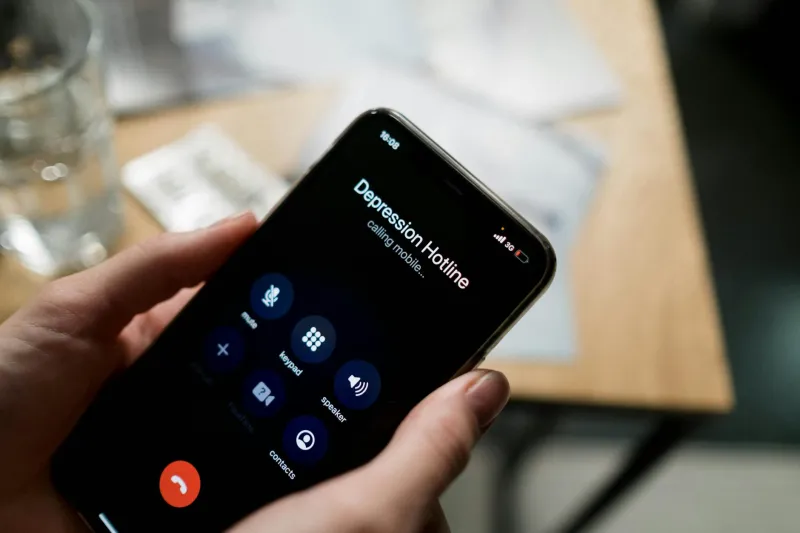
At 2:47 AM on a Tuesday in October, Sarah Martinez dialed 988 during the worst mental health crisis of her life. The call connected within thirty seconds — a small miracle given that the National Suicide Prevention Lifeline used to route callers through a maze of ten-digit numbers and endless hold times. But after forty-five minutes of conversation with a crisis counselor, Martinez was told what thousands of Americans hear every day: "We've talked through some coping strategies, but there's no mobile crisis team available in your area, and the nearest psychiatric emergency facility has a six-hour wait."
Martinez hung up feeling more isolated than when she'd dialed. Her experience illustrates America's latest policy theater: creating the appearance of mental health infrastructure while refusing to fund the actual system needed to make crisis intervention work.
The Promise Versus the Reality
When the 988 Suicide & Crisis Lifeline launched in July 2022, federal officials hailed it as a paradigm shift. Instead of calling 911 and potentially facing armed police officers untrained in mental health response, Americans in crisis could access trained counselors who understood that mental health emergencies require care, not law enforcement.
The promise was compelling: a comprehensive crisis response system featuring 24/7 hotlines, mobile crisis teams dispatched to homes and communities, and crisis stabilization centers offering short-term residential treatment. This "continuum of care" model had proven successful in pilot programs across the country, reducing police involvement in mental health calls by up to 70% while improving outcomes for people in crisis.
But eighteen months after launch, that continuum remains largely theoretical. According to the National Association of State Mental Health Program Directors, only 28% of U.S. counties have access to mobile crisis teams, and just 34% have crisis stabilization centers. The average wait time for follow-up mental health services after a 988 call ranges from two weeks in well-funded urban areas to over three months in rural communities.
Underfunded by Design
The infrastructure crisis isn't accidental — it's the predictable result of launching a national program without national funding. Congress authorized the 988 system but left states and localities to figure out how to pay for it, typically through small surcharges on phone bills that generate a fraction of what's needed.
A 2024 analysis by the Treatment Advocacy Center found that fully implementing the crisis response system envisioned by 988 advocates would cost approximately $7.6 billion annually. Current funding totals just $1.2 billion — less than the Pentagon spends on military bands.
The funding gap creates perverse incentives throughout the system. Crisis centers, operating on shoestring budgets, face pressure to handle calls quickly rather than thoroughly. Mobile crisis teams, where they exist, often consist of a single social worker covering territories the size of small states. Crisis stabilization centers operate at capacity, forcing staff to discharge patients before they're truly stable.
Meanwhile, the traditional system — emergency rooms and police responses — continues absorbing most mental health crises at far higher cost and worse outcomes. The average psychiatric emergency room visit costs $2,400 and often involves restraints, involuntary holds, and criminalization of mental illness. A mobile crisis team intervention costs approximately $150 and typically resolves crises in the community without hospitalization.
The Human Toll of Half-Measures
Behind the budget numbers are Americans whose lives hang in the balance. Take rural Montana, where 988 calls are answered by a crisis center in Denver because the state lacks sufficient local capacity. Callers in acute distress speak with counselors hundreds of miles away who can't dispatch local resources that don't exist anyway.
Or consider Detroit, where the mobile crisis team serves a metropolitan area of 4.3 million people with just twelve responders across all shifts. When Jamal Washington called 988 after his teenage son threatened suicide, he was told the mobile team had a four-hour response time. Afraid to wait, Washington called 911 instead. Police arrived within minutes, but their intervention escalated the situation, ending with his son handcuffed and hospitalized against his will.
These aren't isolated failures — they're systematic breakdowns baked into a system designed to look comprehensive while operating on charity-level funding. The result is that 988 often functions as an expensive referral service to an overwhelmed mental health system rather than the crisis intervention network it was supposed to create.
The Criminalization Alternative
Defenders of the current approach argue that even limited crisis services represent progress over the previous system. But this misses the broader context: America spends over $80 billion annually on police responses to situations that are fundamentally health-related. Every mental health crisis handled by armed officers represents a policy choice to criminalize rather than treat psychological distress.
Research consistently shows that police involvement in mental health crises increases the likelihood of violence, arrest, and long-term trauma. People experiencing psychotic episodes or suicidal ideation aren't criminals — they're patients who need medical intervention, not law enforcement.
The economic argument for robust 988 funding is equally compelling. The National Alliance on Mental Illness estimates that untreated mental health crises cost the economy $193 billion annually in lost productivity, criminal justice expenses, and emergency healthcare utilization. Investing in crisis prevention and early intervention would pay for itself within three years while saving thousands of lives.
What Actual Investment Would Look Like
Other countries demonstrate what's possible when governments prioritize mental health infrastructure. Australia's crisis response system, launched in 2019 with robust federal funding, provides mobile crisis teams to 95% of the population and has reduced mental health-related police calls by 60%.
Closer to home, Oregon's comprehensive crisis system — funded through dedicated state revenue — offers 24/7 mobile response, peer support specialists, and crisis respite centers that serve as alternatives to psychiatric hospitalization. The result: a 40% reduction in emergency room visits for mental health crises and significantly lower suicide rates compared to neighboring states.
Scaling these models nationally would require Congress to treat mental health infrastructure like physical infrastructure — as a public good deserving sustained federal investment. This means dedicated funding streams, federal standards for crisis response times, and accountability measures that ensure 988 becomes more than a well-intentioned phone number.
The Choice Ahead
Three years after its launch, 988 stands at a crossroads. America can continue operating a crisis hotline that promises help it can't deliver, or it can build the comprehensive mental health infrastructure that would make the promise real.
The current approach — offering hope without resources — may be worse than no system at all, because it creates the illusion of progress while leaving vulnerable Americans stranded in their darkest moments. True mental health reform requires acknowledging that crisis intervention isn't charity work — it's essential infrastructure that deserves the same federal commitment we give to highways, airports, and military bases.
Until then, 988 remains a symbol of American healthcare policy: bold promises backed by spare change, leaving those who need help most to navigate the gap between rhetoric and reality.