The Sundown Town Sequel: How Exclusionary Zoning, HOA Rules, and Deed Restrictions Are Segregating America's Suburbs in 2025
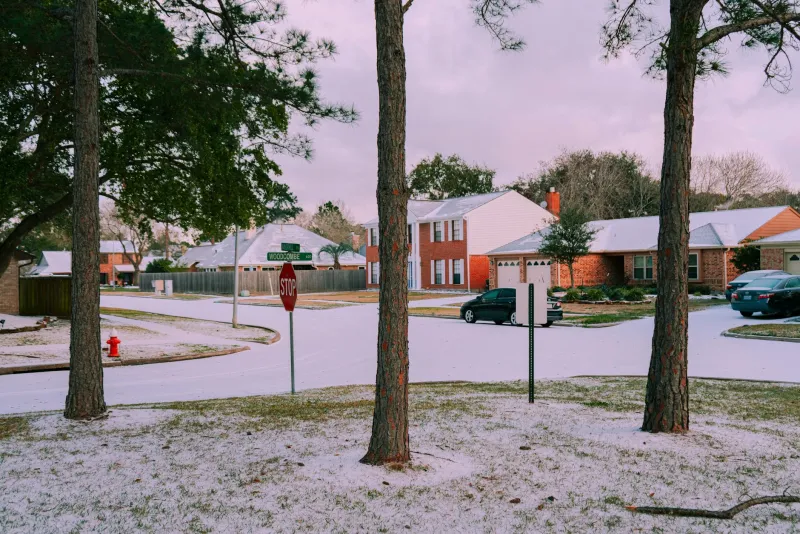
The Sundown Town Sequel: How Exclusionary Zoning, HOA Rules, and Deed Restrictions Are Segregating America's Suburbs in 2025
In Westchester County, New York, a homeowners association recently voted to ban "excessive noise" after 9 PM — a rule that specifically targets outdoor gatherings common in Latino and Black communities. Three states away, a Texas suburb requires all new homes to feature three-car garages and sit on lots no smaller than half an acre, effectively pricing out anyone earning less than six figures. These aren't random policy choices. They're the modern evolution of America's most persistent project: keeping communities white and wealthy through the power of law.
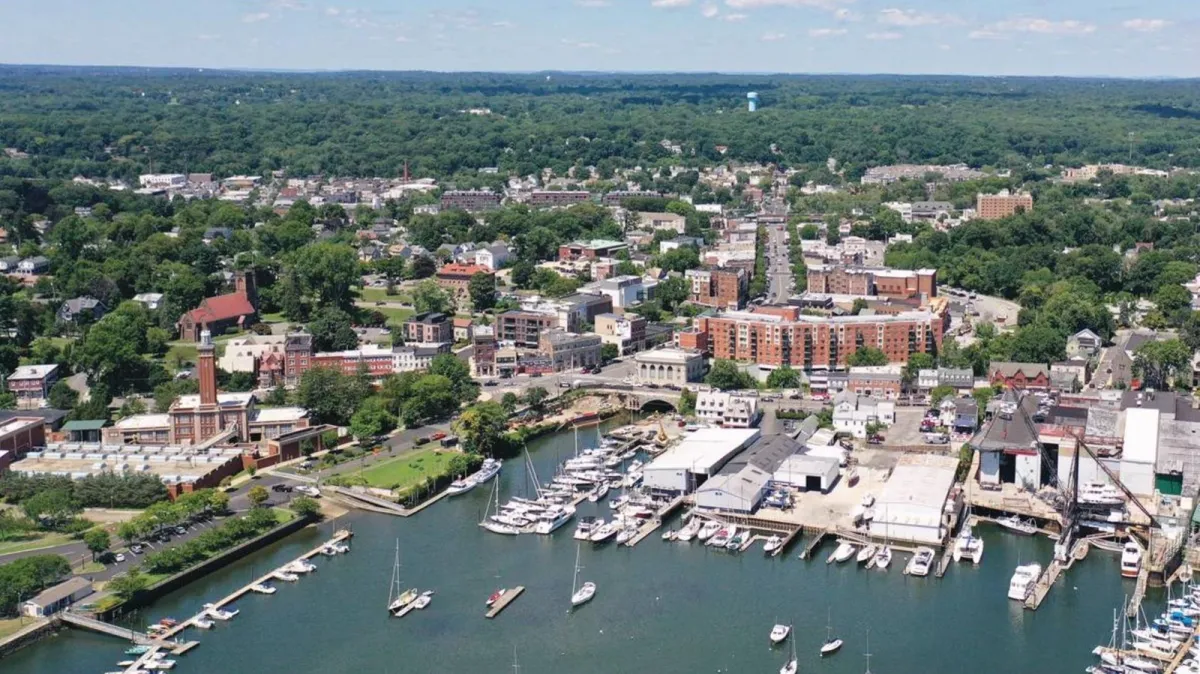 Photo: Westchester County, New York, via www.nps.gov
Sixty years after the Fair Housing Act supposedly ended housing discrimination, America's suburbs remain more segregated than our cities. But instead of racial covenants that explicitly barred Black families — struck down in Shelley v. Kraemer — today's exclusion operates through a sophisticated web of zoning codes, homeowners association bylaws, and aesthetic regulations that achieve the same result with legal immunity.
The Architecture of Exclusion
The numbers tell the story progressives have been warning about for decades. According to 2023 Census data, the average white suburban household lives in a neighborhood that's 81% white, while the average Black suburban household lives in a neighborhood that's only 35% white. This isn't the residue of historical discrimination — it's the product of ongoing policy choices made in city council meetings and HOA boardrooms across America.
Consider minimum lot size requirements, now standard in over 60% of suburban municipalities. When a town mandates that new homes must sit on lots of at least one acre, they're not protecting "neighborhood character" — they're ensuring that only families wealthy enough to afford sprawling properties can move in. The average cost of a one-acre suburban lot has risen to $180,000 nationally, before construction even begins.
Homeowners associations have become particularly sophisticated gatekeepers. A 2024 study by the National Fair Housing Alliance found that HOAs in predominantly white suburbs are three times more likely to enforce aesthetic violations — unkempt lawns, unapproved paint colors, visible laundry — against Black and Latino residents than white ones. These violations can trigger thousands in fines and ultimately force families from their homes.
The Plausible Deniability Defense
Critics argue that these policies serve legitimate purposes: maintaining property values, preserving community aesthetics, ensuring fiscal responsibility. But this defense crumbles under scrutiny. Research consistently shows that racial diversity doesn't harm property values — concentrated poverty does, and exclusionary policies actually increase poverty concentration by limiting where low- and moderate-income families can live.
The "fiscal zoning" argument — that large-lot requirements ensure new residents contribute more in taxes than they consume in services — is similarly hollow. Multiple studies demonstrate that dense, walkable neighborhoods generate more tax revenue per acre than car-dependent suburbs, while requiring less infrastructure investment per capita.
What these policies actually accomplish is demographic engineering. By requiring expensive housing types and criminalizing affordable ones — like accessory dwelling units, small-lot homes, or multi-family buildings — suburbs ensure they remain accessible only to those with substantial wealth, which in America still correlates heavily with race.
The Human Cost of Legal Segregation
Behind these statistics are families whose life trajectories are shaped by where they're allowed to live. When Keisha Williams, a Black nurse practitioner, tried to buy a home in a Connecticut suburb, she discovered that the town's zoning code prohibited the kind of modest starter home she could afford. The only legal housing options were luxury single-family homes starting at $800,000 — far beyond her reach despite a six-figure salary.
Williams eventually bought a home in a less affluent district with underfunded schools. Her children now attend schools with 40% higher student-teacher ratios and science labs equipped with textbooks from the 1990s. This isn't personal misfortune — it's the predictable result of policies designed to hoard opportunity.
The exclusion extends beyond individual families. When suburbs use zoning to prevent affordable housing, they force working-class families into longer commutes, contributing to traffic congestion and carbon emissions. They concentrate poverty in urban cores while suburban tax bases grow wealthier and whiter. They create separate and unequal school districts that perpetuate educational inequality across generations.
Federal Enforcement: Promise Without Power
The Biden administration has made fair housing a rhetorical priority, but federal enforcement remains toothless. The Department of Housing and Urban Development can investigate discrimination complaints and withhold federal funding from non-compliant jurisdictions — but these tools are rarely used against exclusionary zoning, which operates through facially neutral policies.
The Supreme Court's 2015 decision in Texas Department of Housing v. Inclusive Communities Project recognized that policies with discriminatory effects, not just discriminatory intent, can violate fair housing law. But lower courts have been reluctant to apply this standard aggressively to zoning cases, particularly when municipalities can point to economic rather than racial motivations.
Meanwhile, state-level reform has been mixed. California's recent laws requiring municipalities to zone for affordable housing represent genuine progress, but implementation remains uneven. Most states continue to treat exclusionary zoning as a local prerogative, despite its regional and national consequences.
The Path Forward
Breaking up suburban segregation requires acknowledging that housing is infrastructure, not just private consumption. Just as we don't allow communities to opt out of interstate highways or electrical grids, we shouldn't allow them to opt out of providing housing for the full economic spectrum of American families.
Concrete reforms are available: regional fair-share housing requirements, state preemption of exclusionary zoning, federal transportation funding tied to inclusive housing policies, and aggressive enforcement of existing fair housing law. Oregon's recent ban on single-family-only zoning in cities over 10,000 residents shows these changes are politically possible.
The question is whether America will continue tolerating a suburban landscape designed to exclude, or finally build neighborhoods worthy of our democratic ideals — because the current system isn't preserving communities, it's preserving inequality.