The Sovereignty Auction: How Foreign Investors and Sovereign Wealth Funds Are Quietly Buying America's Infrastructure — and the Oversight That Isn't There
The Infrastructure Fire Sale
Across America, a quiet transformation is underway. Foreign sovereign wealth funds and state-backed investment vehicles are acquiring stakes in the infrastructure that keeps American life functioning — ports that handle international trade, energy grids that power cities, water systems that serve millions, pipelines that transport fuel, and farmland that feeds the nation. This isn't the product of some grand conspiracy, but rather the logical endpoint of decades of privatization policies that have treated essential public infrastructure as investment opportunities. The result is a patchwork of foreign ownership operating under a regulatory framework designed for a different era, raising fundamental questions about democratic accountability and national sovereignty.
When Private Markets Meet Public Need
The progressive critique of this infrastructure selloff begins with a basic principle: essential systems that entire communities depend on should be democratically accountable to those communities. When foreign governments or their investment arms acquire control over American infrastructure, they create a democratic deficit where critical decisions about public systems are made by entities with no accountability to American voters.
This isn't xenophobia — it's about democratic governance. When a Norwegian sovereign wealth fund owns toll roads, when Chinese state-backed companies control port operations, when Saudi investment vehicles hold stakes in energy infrastructure, the fundamental question becomes: who is making decisions about systems that American communities depend on, and through what democratic process?
The privatization ideology that enabled this infrastructure auction rests on the premise that private ownership automatically produces better outcomes than public ownership. But when "private" ownership means foreign state control, that premise collapses. These aren't market transactions — they're geopolitical arrangements disguised as business deals.
The CFIUS Charade
The Committee on Foreign Investment in the United States (CFIUS) is supposed to review foreign acquisitions for national security implications, but the committee operates under definitions of "national security" that were crafted for a different era. CFIUS focuses primarily on defense-related technologies and direct foreign control, leaving vast swaths of critical infrastructure outside its purview.
Moreover, CFIUS reviews are conducted in secret, with minimal public disclosure about which deals are approved, rejected, or modified. The committee can recommend that the President block a transaction, but most deals never reach that level of scrutiny. The result is a system where foreign acquisition of American infrastructure proceeds with less transparency than most municipal planning decisions.
The regulatory gaps are enormous. Foreign entities can acquire minority stakes in infrastructure companies without triggering CFIUS review, even when those stakes provide significant influence over operations. They can structure deals through multiple subsidiaries to obscure ultimate ownership. They can acquire infrastructure assets through bankruptcy proceedings or distressed sales with minimal oversight.
The Farmland Question
Perhaps nowhere is the sovereignty auction more concerning than in agricultural land ownership. Foreign entities now control over 40 million acres of American farmland — an area larger than Florida. This includes not just production agriculture, but also land near military installations and critical infrastructure.
The implications extend beyond food security to include water rights, rural economic development, and community stability. When foreign investors acquire large agricultural holdings, they often consolidate operations, eliminate local jobs, and extract wealth from rural communities. The social fabric of agricultural communities gets reorganized around the profit maximization strategies of distant investors rather than the needs of local residents.
Some states have enacted restrictions on foreign agricultural land ownership, but enforcement is sporadic and penalties are often insufficient to deter violations. Federal oversight is minimal, with no comprehensive tracking of foreign agricultural investments or their community impacts.
The Energy Grid Gamble
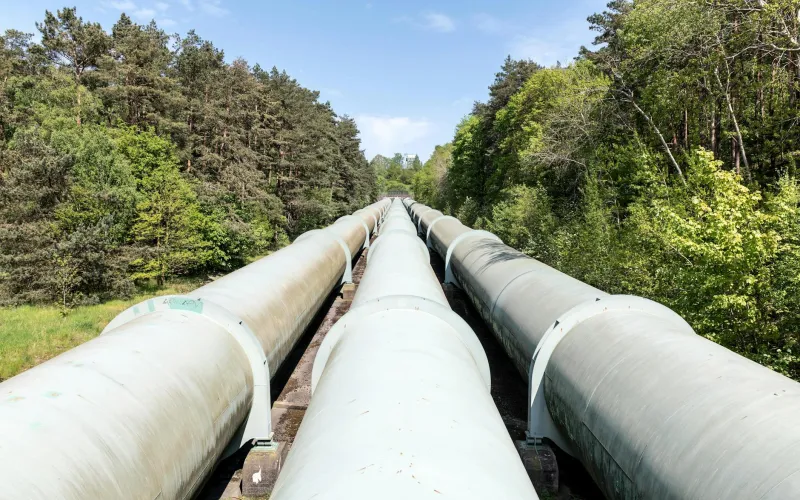
Foreign ownership of energy infrastructure presents particularly complex challenges because electrical grids, pipelines, and energy storage systems are simultaneously critical infrastructure and attractive investment targets. Foreign sovereign wealth funds have acquired stakes in everything from renewable energy projects to natural gas pipelines, often through complex ownership structures that obscure ultimate control.
The national security implications are obvious: entities that control energy infrastructure can potentially disrupt supply, manipulate pricing, or access sensitive information about energy consumption patterns. But the economic implications are equally significant. When foreign investors control energy infrastructure, profits flow overseas rather than supporting domestic economic development.
The Port Security Paradox
American ports handle over $5 trillion in cargo annually, making them critical nodes in both the domestic economy and international trade. Foreign companies, including some with ties to foreign governments, operate terminals at major American ports from Los Angeles to New York. This creates a situation where entities with potential conflicts of interest control infrastructure essential to American commerce.
 Photo: New York, via wallpapercat.com
 Photo: Los Angeles, via c8.alamy.com
The security implications are well-documented — foreign port operators could potentially facilitate smuggling, espionage, or supply chain disruption. But the economic implications receive less attention. When foreign entities control port operations, they can prioritize cargo from their home countries, manipulate shipping costs to benefit foreign exporters, and extract economic value from American trade relationships.
Beyond National Security
Conservatives often frame concerns about foreign infrastructure ownership purely in national security terms, focusing on potential military threats or espionage risks. But this narrow framing misses the broader democratic and economic issues at stake. Even when foreign ownership poses no direct security threat, it still represents a transfer of democratic accountability and economic sovereignty.
When infrastructure is publicly owned, communities have mechanisms for democratic input and oversight. When it's privately owned by domestic entities, there are still regulatory frameworks and political processes for addressing public concerns. But when it's owned by foreign governments or their proxies, American communities lose meaningful recourse.
The Community Impact
The human cost of the sovereignty auction is measured not just in national security risks, but in the erosion of local democratic control over essential systems. When foreign investors acquire water systems, local residents lose the ability to influence pricing, service quality, and infrastructure investment priorities. When foreign entities control agricultural land, rural communities lose influence over land use decisions that shape their economic future.
These impacts fall disproportionately on communities that are already politically marginalized. Rural areas, small cities, and economically distressed regions are more likely to see their infrastructure acquired by foreign investors, partly because local governments lack the resources to maintain public ownership and partly because these areas offer attractive investment opportunities for patient foreign capital.
Reclaiming Democratic Infrastructure
The solution to the sovereignty auction isn't protectionist barriers to all foreign investment, but rather a fundamental reconsideration of how essential infrastructure should be owned and controlled. This means strengthening public ownership of critical systems, improving transparency and accountability in foreign investment review processes, and ensuring that communities have meaningful input into decisions about their essential infrastructure.
It also means recognizing that infrastructure privatization isn't politically neutral — it's a choice that prioritizes investor returns over democratic accountability. When that privatization extends to foreign ownership, it becomes a choice to subordinate American communities to the interests of foreign governments and their investment vehicles.
The infrastructure that keeps American communities functioning should be accountable to those communities, not to foreign investors seeking returns or foreign governments pursuing strategic objectives — and reclaiming that accountability is both an economic imperative and a democratic necessity.